
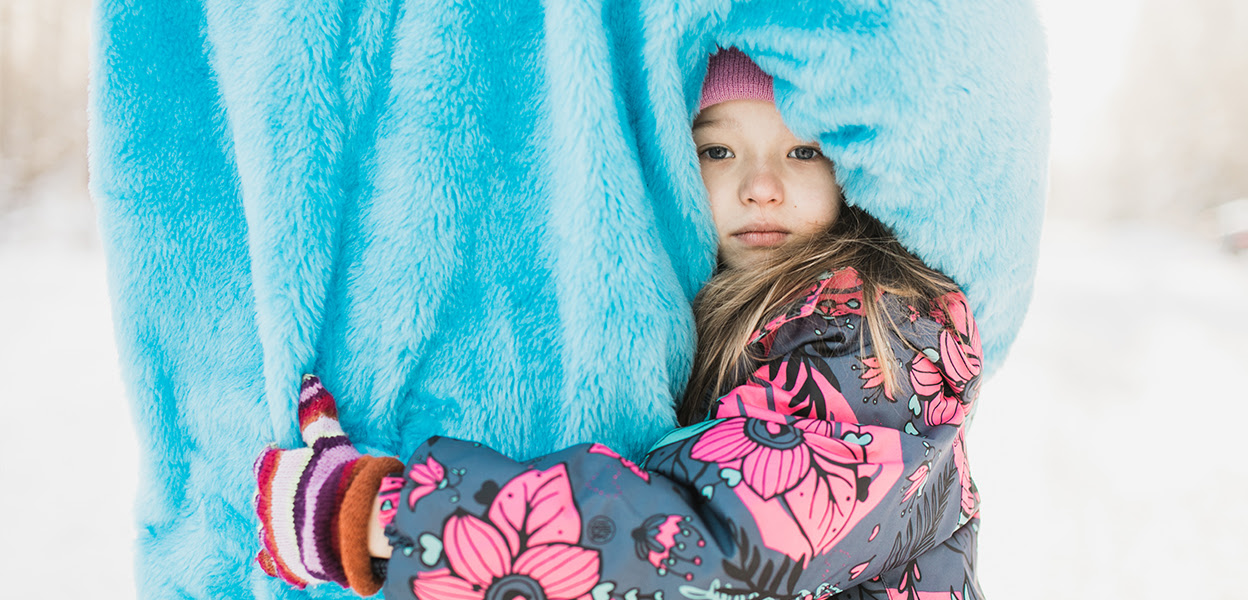
As one of the most northerly states in the union, and with some gigantic lakes affecting the weather patterns, Michigan is home to some of the most capricious weather in the country. Sometimes there's a 45-degree difference between Detroit and Marquette. Sometimes it's cold and rainy in the morning, but hot and sunny in the afternoon.
Sometimes, though, it's gray, dreary, cold, and oppressive all day long.
Michigan's winters can range from damp, sodden, and gray to sunny and crisp, but it's more likely to be dim and dreary than anything. It definitely takes its toll, which is something we've talked about before in posts like our guide on How to Avoid Seasonal Depression.
Winter can impact more than just adults, and it can affect more than just depression, though. All too often, we overlook the impact the weather can have on the children in our lives.
So, how do Michigan's winters affect childhood anxiety, how can you recognize if your child is suffering, and what can you do about it?
DISCLAIMER: This article is for informational and educational purposes only and should not be considered medical or psychological advice. The information presented here is not intended to diagnose, treat, cure, or prevent any mental health condition or replace professional therapeutic care. Every individual's experience with trauma and mental health is unique. Please consult with a qualified mental health professional, therapist, or healthcare provider to determine the most appropriate treatment approach for your specific situation. If you are experiencing a mental health crisis or emergency, please contact your local emergency services or crisis hotline immediately.
Are Michigan Children Affected by Winter Weather?
Of course! Winter has a lot of impact on children. Colder temperatures can be unpleasant, and bad weather keeps them cooped up inside. Less natural light and less time outside can affect them on a biological level. Remember, too, that the circadian rhythm changes when days get shorter, which leads to sleep problems and fatigue, which feed back in on other issues.
Depression is certainly the condition that gets the most attention when it comes to winter, but it's not the only one that changes with the weather. ADHD, sensory processing disorders, anxiety disorders, and more can all be affected.
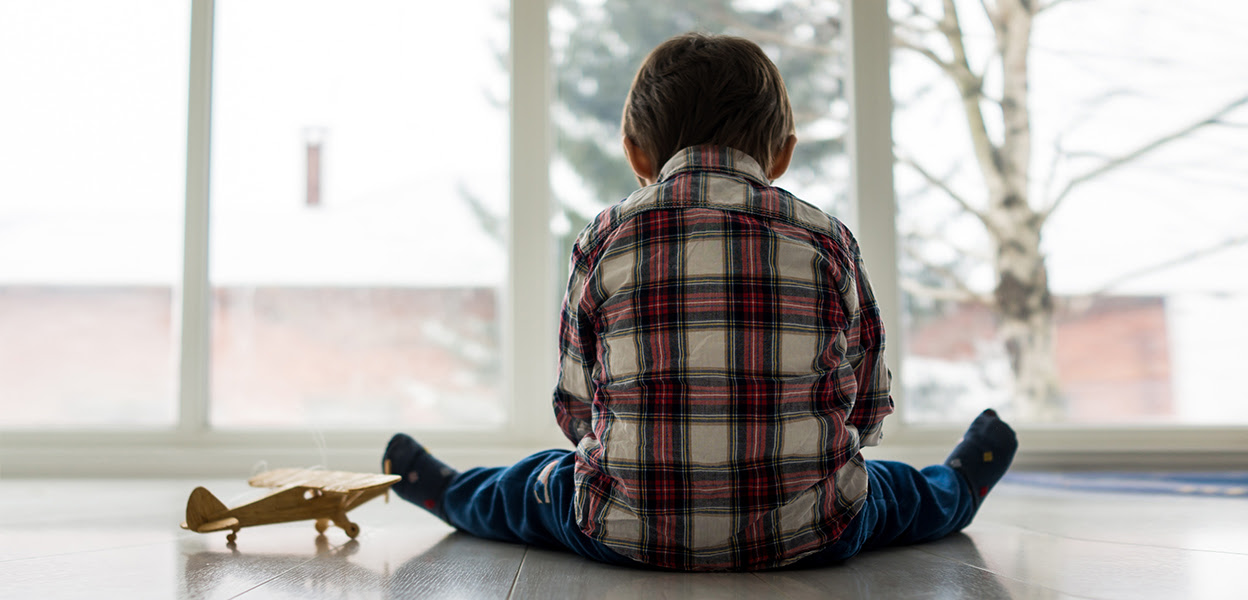
The tricky part is that it can be difficult to tell what behavior comes from being cooped up or uncomfortable, and what comes from escalating mental issues. Older children may be able to articulate what they're feeling, especially with expert guidance, but younger children don't know why they feel the way they do.
Uncovering what is well-founded fears and what is anxiety, what stems from dysregulation and what has a physical cause, and what you can do about all of it is a serious challenge. That's why help is available through providers like BMC-Troy.
What Warning Behavior to Watch For
So, what behavior should you look for that can be a sign of escalating anxiety issues in your children over the winter?
Unexplained Changes in Mood
We get it; kids can be grumpy or irritable for little or no reason, sometimes. It's always worth remembering that a particularly negative experience can, quite literally, be the worst thing that has ever happened to them, even if it's minor on the grand scale.
Grumpiness can last for a few hours, or a day, or a couple of days. But the longer it lasts and the more consistent it is, the more likely it is to be a combination of mental illness and weather. Ongoing irritability, unexplained sadness, lack of interest in anything around them and especially the things they enjoy; all of these are signs.
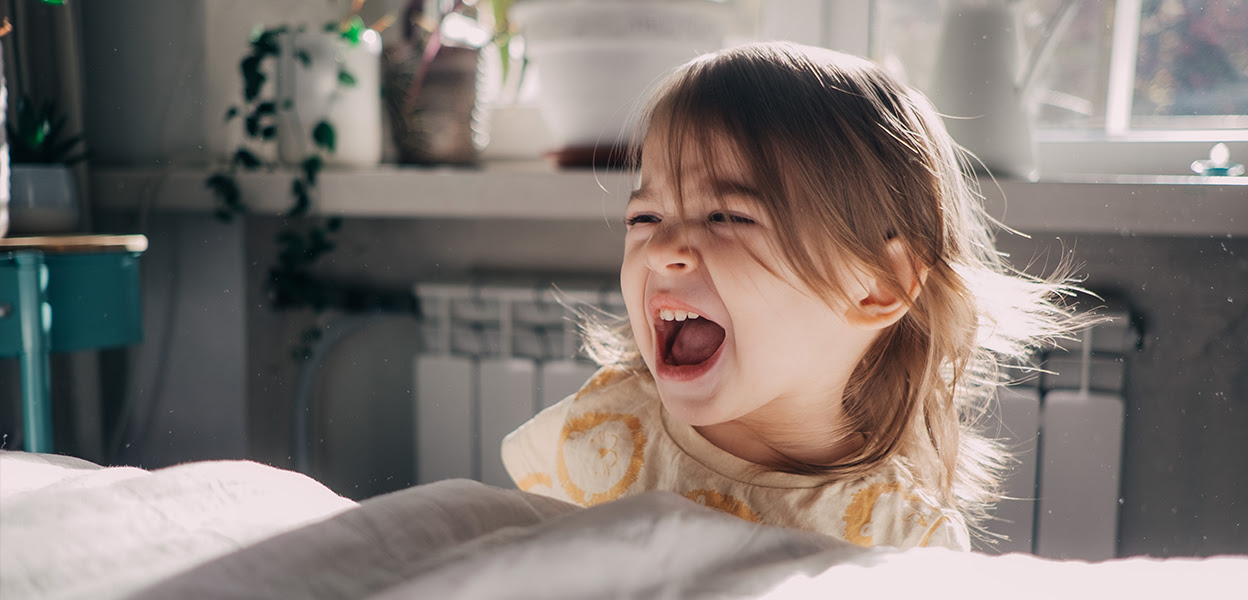
Anxiety in children presents in a few different ways. Physical complaints, particularly restlessness, can be a big one. Headaches and stomach aches are also common.
Beyond that, though, mental expressions are more common. Described as "big emotions", children with anxiety might have angry outbursts, hesitance or outright refusal to do things they need to do, like go to school, overall difficulty concentrating, and excessive clinginess are all examples.
Expressions of Clinical Anxiety
Children with anxiety that is escalating due to the winter weather may have greater levels of shyness, separation anxiety, social anxiety, and anxiety about things like the future, school, or their friends.
Separation anxiety is particularly common as a form of childhood anxiety. If your child gets antsy when you leave the room, wants to cling to you all the time, and fears when you have to go to work, they may have anxiety when you aren't around.
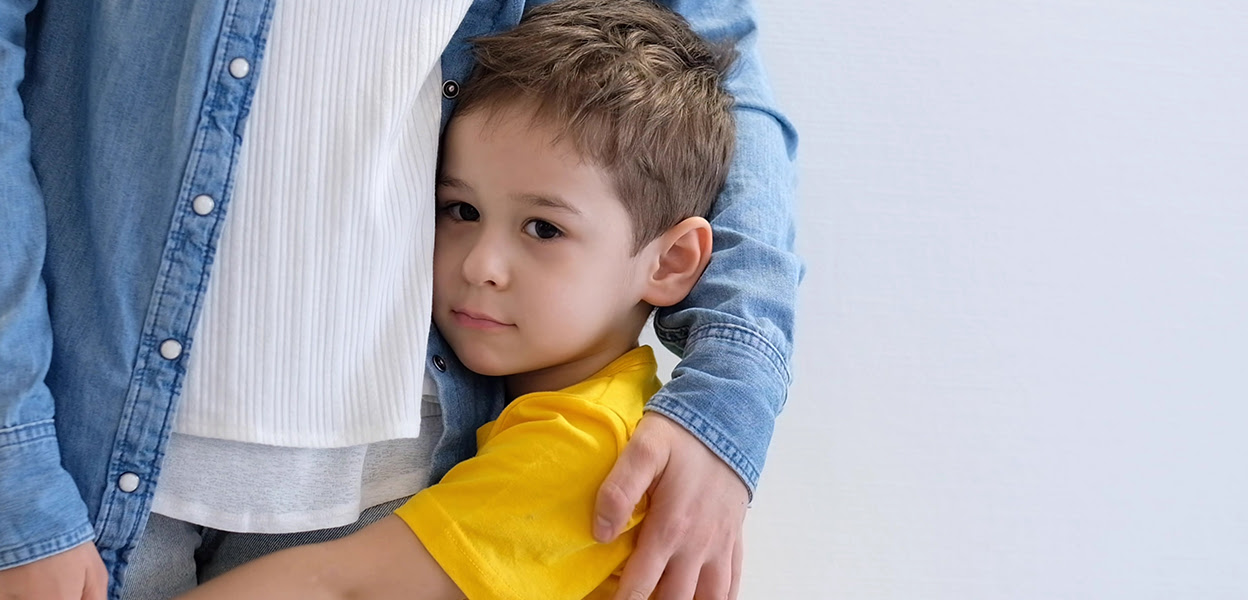
Social anxiety is often expressed as an avoidance of situations where one will be forced to engage with other people. Even people they like, such as friends and family, are no longer appealing.
Generalized anxiety is also common, and can be displayed as a hesitance to do anything out of the norm, or even things that were part of the norm before winter landed in full swing.
Secondary Anxiety and Other Mental Illness
Escalating anxiety can also lead to other comorbidities in mental health, including:
- New or escalating phobias.
- Panic attacks.
- Changes in appetite or eating disorders.
- Withdrawal from activities and socialization.
- Self-harming behaviors.
Any of these appearing is a sign that you need to bring your child in for an evaluation to get the ball rolling on treatment.

Anxiety and depression are often difficult to distinguish from one another, especially in children. They're often covered in the same resources, some of the symptoms overlap, and the expressions can vary.
All of this is why, if you see the signs, it can be worthwhile to seek an evaluation for your child. A diagnosis opens doors for assistance, including 504s and IEPs with your child's school, financial assistance, and various therapy and medication options as necessary.
How to Help Your Child with Winter Anxiety at Home
While therapy (and potentially medication, if necessary) is the best way to help a child with anxiety, it's understandable if you want to try options at home before jumping into therapy. Or, if you're more than happy to bring your child to therapy, actions taken at home can foster a better environment and help augment how effective therapy can be. So, let's talk about the things you can do at home to help.
Focus on a consistent routine. One of the biggest ways that winter can be a trigger for anxiety in children is the disruption of the circadian rhythm. While you can't do much about the length of the days, you can set a firm routine to help enforce that rhythm naturally.
Specifically, encourage consistent morning wake-up times (even on weekends), set mealtimes to be consistent times of day, and enforce a consistent bedtime. This helps build in that routine and rhythm, reset and ground your child's internal clock, and help stabilize their mood.
Emphasize natural light. Michigan's winter days are dramatically shorter than summer days. In the summer, the time from sunrise to sunset is around 15 hours. In the winter, that number shrinks to just 9 hours. That's a loss of six full hours of daylight!
Whenever possible, encourage outdoor play in the winter. Children who stay indoors watching TV or playing on a tablet are much more likely to be vulnerable to anxiety and depression, while children who get more time outside in the natural light will have better outcomes.
There's only so much you can do, though. Winter weather, blizzards, windchills, and other external factors can make it very difficult to get enough natural light. If you can, consider working with your pediatrician to use therapy lamps to mimic sunlight and help boost serotonin synthesis. This can help with regulating moods.
What about vitamin D? Vitamin D is often considered a potential treatment for Seasonal Affective Disorder, but not as much for anxiety. In careful doses, it isn't harmful, but it also may not be very effective. Talk to your pediatrician to see if they recommend a vitamin D supplement for your child.

Keep your children moving. One of the more pernicious effects of winter is how it encourages being sedentary. It's cold out, so you can't go outside. It's chilly inside, so maybe you find it more pleasant to curl up on the couch under a blanket. TV, tablets, books, and other entertainment make it easy to spend hours sitting in one place.
Movement is very important for negative moods. Being up and active helps the body circulate a variety of beneficial endorphins, and pent-up energy can exacerbate the effects of anxiety.
Many pediatricians recommend movement of some form frequently throughout the day. This could be dance breaks, it could be sending your children up and down the stairs for chores, it could be family yoga time, or other activities entirely. It doesn't matter so much what the activity is, so long as it gets them up and moving.
Other ideas you might find helpful:
- Build a scavenger hunt out of household items and send your children looking for them throughout the house.
- Use cardboard boxes, couch cushions, and other items to build forts for play.
- Bring snow in from outside, such as to a bathtub, for indoor snow play when outdoor weather is too bad.
- Turn the heat up and wear summer gear for a makeshift "beach day" indoors.
- Pick a minor home renovation project, such as rearranging the furniture, for your children to help with.
- Organize play dates with the parents of your child's friends, and mutually alternate whose house is used (so each of you can take a break as well.)
You can also look for local indoor play zones to bring your children where they can burn off energy. Great options include:
- The DNR Outdoor Adventure Center, which is an indoor facility bringing exhibits of outdoor nature to an indoor space for children.
- Kidcadia in Dearborn, a large indoor play café offering a sizable playground and food.
- The Michigan Science Center, a large science museum in the heart of Detroit with plenty of interactive exhibits.
- Move and Groove in Northville, a safe play place designed for children under age 8.
- Sky Zone, a trampoline park aimed at older children.
- Troy-local attractions like Slick City, Dinoland, or Fascination Factory.
There are dozens of other options to explore as well. You can easily find something to do at least once a week throughout winter to keep your children active through the season.
The challenge, of course, is getting your children to actually go with you to these playgrounds when they have anxiety about it. It's a tricky balance to strike, so you may want to focus on indoor activities at home until an external play place sounds like more of an appealing break from the norm than a scary new experience.
Listen to your child about stressful holiday situations. In particular, winter break and the holidays lead to a lot of family interactions, and those interactions aren't always pleasant. If your child has specific anxiety around particular events or family members, listen to them and help find a way to handle them. There may be more than just social anxiety under the surface, too. Bullying, uncomfortable situations, poor treatment, or even signs of abuse might be uncovered and need to be handled appropriately.
Seeking Professional Assistance for Winter Anxiety
If you suspect your child is suffering from anxiety, the best thing you can do is start to get them professional treatment. Psychotherapy, such as Cognitive Behavioral Therapy, is usually the most effective place to start.
Here at BMC-Troy, we offer specialized mental health care services for children and adolescents, especially for common mental illnesses such as anxiety, depression, and more. Assessments for anxiety and other mental health conditions are completely confidential. If your child needs more than just therapy, our office is also able to prescribe and manage medications.
To get started and have your child assessed, you can call our office at 248.528.9000, or you can fill out our new patient intake form right here on our website. Don't wait until the winter is over or try to push through it; help your child learn how to handle feelings of anxiety in healthy ways. The coping skills they learn now will serve them well throughout their lives.
Therapy doesn't have to be just for your children, either. You're also welcome to become a patient; the tools and techniques you learn through your own CBT can equip you to convey them to your children as well. The more we all can become better equipped to handle the struggles and challenges of mental health, the better we can help one another.