

Childbirth is supposed to be something wonderful. Certainly, it's painful and terrifying in equal measure, but when it's all over, and you've met your child for the first time, it should be a time of joy.
What often isn't talked about perhaps as much as it should is the risk of postpartum depression. Pregnancy causes a lot of biological and physiological changes to the mother's body that persist for nine months; when it's all over, not all of those changes reset themselves the way you might expect. Some never change back, and others can go awry.
Nearly all new parents experience "baby blues", bouts of unexpected sadness or other strong feelings, usually with little or no clear reason beyond the proximity to childbirth. These resolve themselves on their own within a few weeks, as you settle into your new routine.
When things go deeper, last longer, and feel worse, it may be something more. Postpartum depression affects one in seven parents after childbirth, and it's not something that easily resolves itself or goes away on its own. It's real, it's clinical, and it deserves to be treated.
DISCLAIMER: This article is for informational and educational purposes only and should not be considered medical or psychological advice. The information presented here is not intended to diagnose, treat, cure, or prevent any mental health condition or replace professional therapeutic care. Every individual's experience with trauma and mental health is unique. Please consult with a qualified mental health professional, therapist, or healthcare provider to determine the most appropriate treatment approach for your specific situation. If you are experiencing a mental health crisis or emergency, please contact your local emergency services or crisis hotline immediately.
The Stages of Postpartum Depression
How do you know if what you're feeling is postpartum depression, and that you should see a professional?
First of all, if you feel any symptoms of depression, anxiety, or other mood disorders after childbirth, you should seek a consultation with a therapist. Even if you don't have full-blown postpartum depression, it's better to know than to put it off until it gets worse and affects your life (and your relationship with your newborn) in negative ways.
Postpartum blues are the first, least severe, and most common form of postpartum depression. They come on quickly and affect as much as 80% of new parents after childbirth. Symptoms include unexpected crying, unexplained anxiety, and similar odd feelings. They usually resolve themselves within a few weeks.

Postpartum depression is more intense. It often starts within a week or so of delivery, but can sometimes not develop for as much as a year after. This level of mood disorder affects your daily life, with bouts of highs and lows, frequent sadness and crying, deep irritability, fatigue, and anxiety.
If you're saying "yes, that's all what happens when you're sleep-deprived with a newborn," you know how difficult it can be to recognize these symptoms. With postpartum depression, these feelings aren't rational, not attributed just to a lack of sleep or energy, and are more severe. They can also include thoughts that you can't properly care for your baby.
Postpartum psychosis is the rarest, but most severe, form of postpartum mood disorder. It affects just one in a thousand parents. It comes on quickly and is very intense, and can last weeks or months. Characterized by severe symptoms, it can include agitation, confusion, hopelessness, mania, and even hallucinations.
How to Tell if You Have Postpartum Depression
It can be difficult to tell whether or not you have full-blown postpartum depression, if you're just stressed and sleep-deprived, or if there's something else going on.

Characteristic symptoms of postpartum depression include:
- Feeling sad
- Feeling worthless
- Feeling hopeless
- Worrying excessively
- Feeling constantly on edge
- Losing interest in hobbies or anything you enjoyed
- Lack of appetite or changes in appetite
- Lack of energy and motivation, even to parent
- Difficulty sleeping
- Excessive crying or crying for no reason
- Difficulty focusing or thinking
- Having no interest in your child
- Feeling anxious around your child
- Feeling like you want to harm yourself or your child
- Recurring thoughts of death or suicide
- Ongoing depressed feelings for most of every day, for weeks
These can range from moderate to severe to a crisis. If you're in a crisis, call 988 right away. You'll reach the national crisis line, available 24/7, where you can get access to the help you need right away.
Usually, the threshold for concern is about two weeks. If your feelings are relatively mild or sporadic, and they have occurred for less than two weeks, you may be advised to wait; if it has been longer than two weeks, or the feelings are more severe, then you'll want to see a specialist right away.
It's important to recognize that having postpartum depression is not a personal failure, and does not make you a bad parent. It's okay to be stressed, overwhelmed, and fatigued. It's okay to experience emotions. And, if those feelings get in the way of living life or parenting, then it's okay to seek assistance with them.
Is Postpartum Depression Just for New Moms?
Not at all! In fact, while it hasn't been as widely recognized as postpartum depression in new mothers, new fathers can also experience the same symptoms.

While one in seven new mothers experience it, one in ten new fathers also do. Fortunately, just about every resource available for postpartum depression will work for both mothers and fathers equally.
How is Postpartum Depression Treated?
The good news is, most postpartum depression is relatively receptive to treatment. The most common treatment option is talk therapy or, specifically, cognitive behavioral therapy. These forms of psychotherapy help you identify negative thought patterns, ground and reset them, and find coping strategies to set them aside and not let them affect your life.

These treatments can be tailored to your needs, whether you focus more on depressive feelings, anxiety, or other issues, and whether they are relatively mild or more severe.
Additionally, if necessary, you may be prescribed anti-anxiety or anti-depressant medications. These prescriptions are usually fairly short-term, with recommendations that you take them for around 6-12 months. Alternatively, certain new medications are shorter-term courses that are only taken for a few weeks. You can discuss these details with your provider when you talk to them about your concerns.
How to Get Help for Postpartum Depression
Fortunately, postpartum depression is one of the most well-supported mood disorders in modern society. Because it's so common and so clearly connected to something "normal," it's a form of mental illness that hasn't gotten quite the same stigma as other forms of mental illness. This means there's a lot of potential support available to you.
Let's go through the options you have here in the Detroit area, both with local resources and with national support.
Your Healthcare Providers
The first and easiest avenue to seeking help is to talk to your existing healthcare providers.

It can be intimidating or feel like a failure to admit to having a mood disorder, even to yourself, so it can be difficult to reach out to a therapist with no external impetus. Fortunately, just about everyone in your orbit in the course of pregnancy and childbirth can help.
- Your primary care physician; mention your concerns to them at your next checkup.
- Your obstetrician; they will be very experienced in the signs and symptoms and can advise you on steps to take.
- Your baby's pediatrician; part of their role is checking up on your health as well, and they can help you find the next steps to take.
- Any therapist you already work with. Trust us; postpartum depression is very common and frequently comes up with patients.
Your healthcare provider will either know who you can talk to next, or can point you in the direction of a specialist or other resource within their practice or network who can help you find that next step to take.
Detroit Perinatal Wellness Coalition
The Detroit perinatal wellness coalition is one of the premier Detroit-area support networks for new parents suffering from a postpartum mood disorder. They provide a range of mental health support services and holistic services for Detroit families.
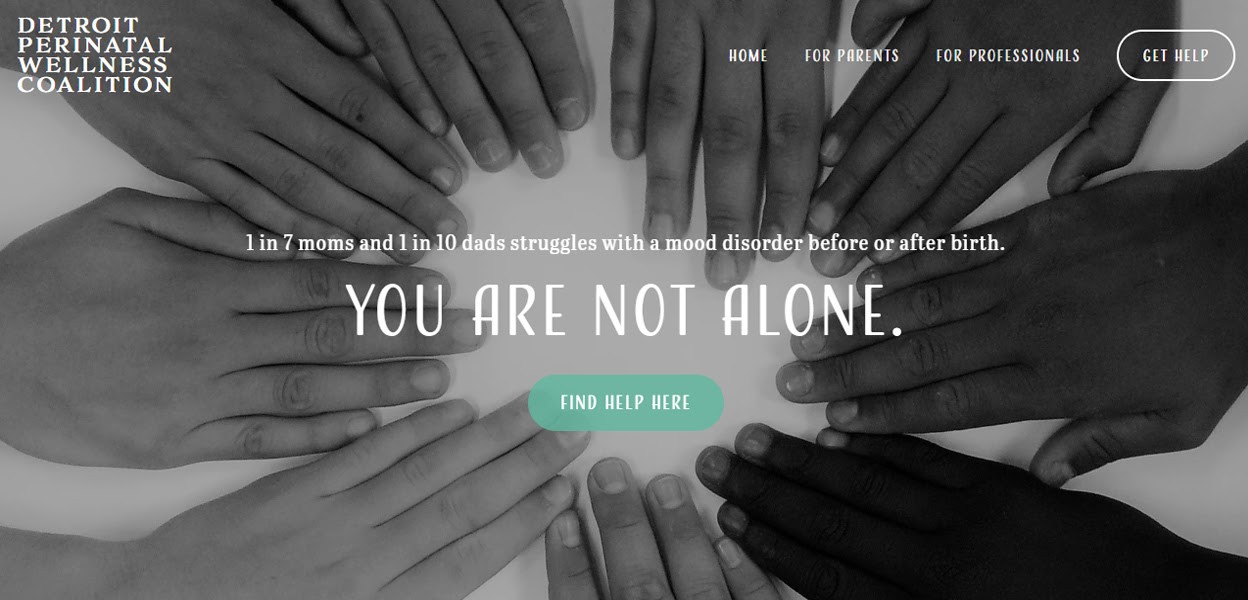
In particular, the Detroit perinatal wellness coalition also serves disadvantaged and underinsured families, to make sure mental health support is not limited to just those who can afford it.
Unfortunately, the DPWC doesn't provide services directly; they work with local providers of support services to refer and support patients with postpartum depression. Their directory of providers can be found on their website here. They also provide self-care ideas and other resources for new parents.
Postpartum Support International
PSI is an international nonprofit organization dedicated to perinatal mood disorders. They strive to increase awareness and education, provide both preventative information and treatment options, and help support others who offer the same.
As an international organization, Postpartum Support International relies on local chapters to do the on-the-ground work. In this case, PSI-MI is the Michigan chapter of the organization.
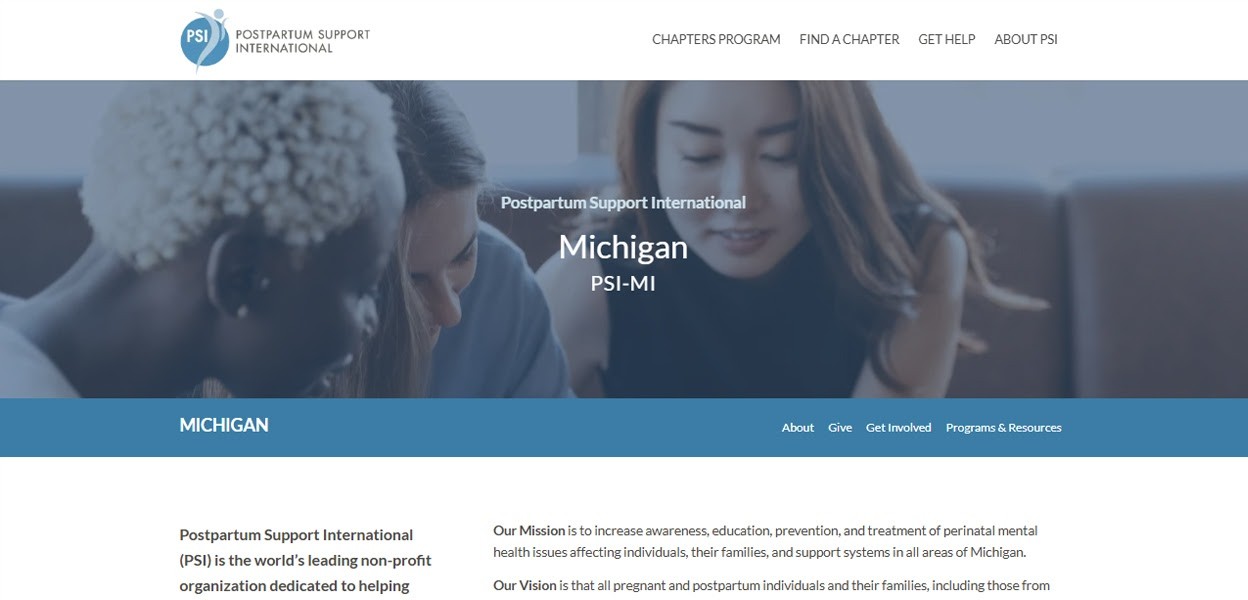
The PSI-MI website offers a variety of support options, including a directory of support groups and programs available throughout Michigan. You may have to do some filtering to locate those specifically in the Detroit area, but there are plenty available.
Through PSI, you can also locate trained perinatal mental health providers and access multiple hotlines in both English and Spanish for support. In particular, their helpline is 1.800.944.4773, and the national maternal mental health hotline is 1.833.943.5746. Both of these can help you reach other support as necessary.
Henry Ford Health Services
Here in Detroit, it's impossible to talk about any sort of healthcare without Henry Ford coming up in the discussion sooner or later. As the largest healthcare provider network in southeast Michigan, they do pretty much everything.
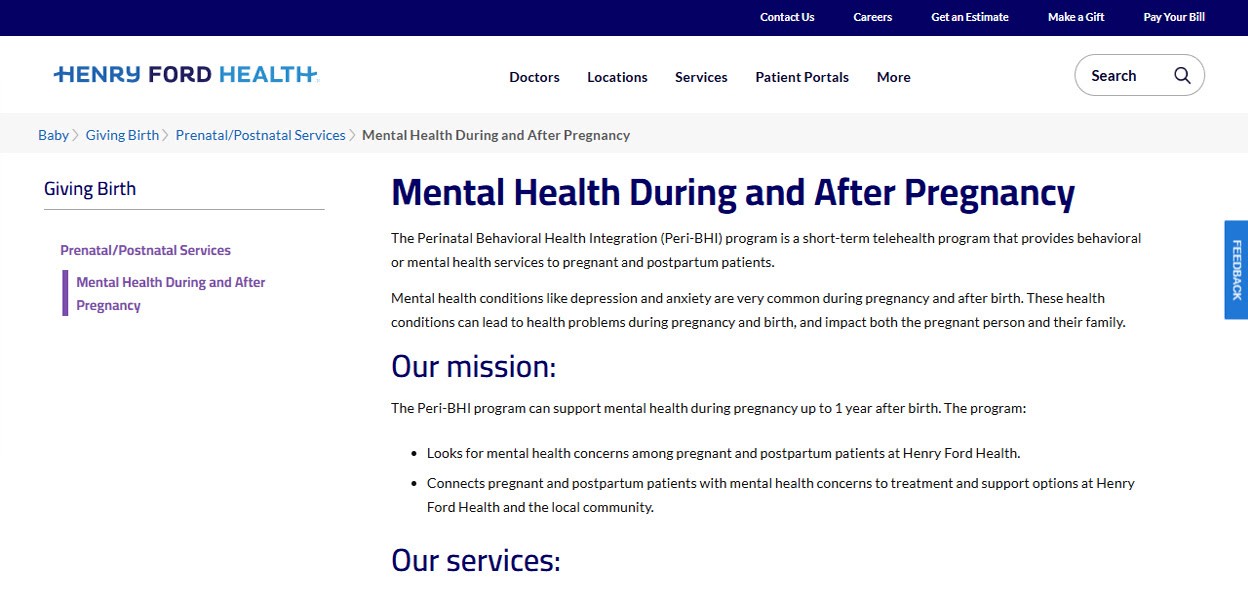
In this case, Henry Ford Health has a Perinatal Behavioral Health Integration program. This is a short-term program, operated via telehealth, which provides mental health services to patients who are pregnant or who have just given birth. They provide both therapy services and medication management services for parents in need, as well as referrals and other resources if more treatment is necessary beyond the scope of their program.
Partum Health
Partum Health is a specialized healthcare provider that focuses on perinatal mood disorders. They offer both individual sessions and couples therapy, using telehealth support, with the goal of providing affordable mental healthcare to new parents in need.

This organization is a larger healthcare group that provides services to families in Illinois (primarily around Chicago), Michigan (primarily in Detroit), and Texas (in both Dallas and Houston). This allows them to leverage more national-scale resources for more locally focused assistance.
Individual Therapists
In the Detroit area, there are hundreds of therapists who provide various forms of therapy, from your typical cognitive behavioral therapy, to dialectical behavior therapy, to ACT, to mindfulness, and much more.
Using directories like those maintained by Psychology Today, you can sort through these therapists by their specialties. In Detroit alone, there are over 200 therapists with various levels of specialization in postpartum and perinatal support. You are free to filter the list by various qualities you may want out of your therapist, and identify promising candidates to work with for your postpartum depression.
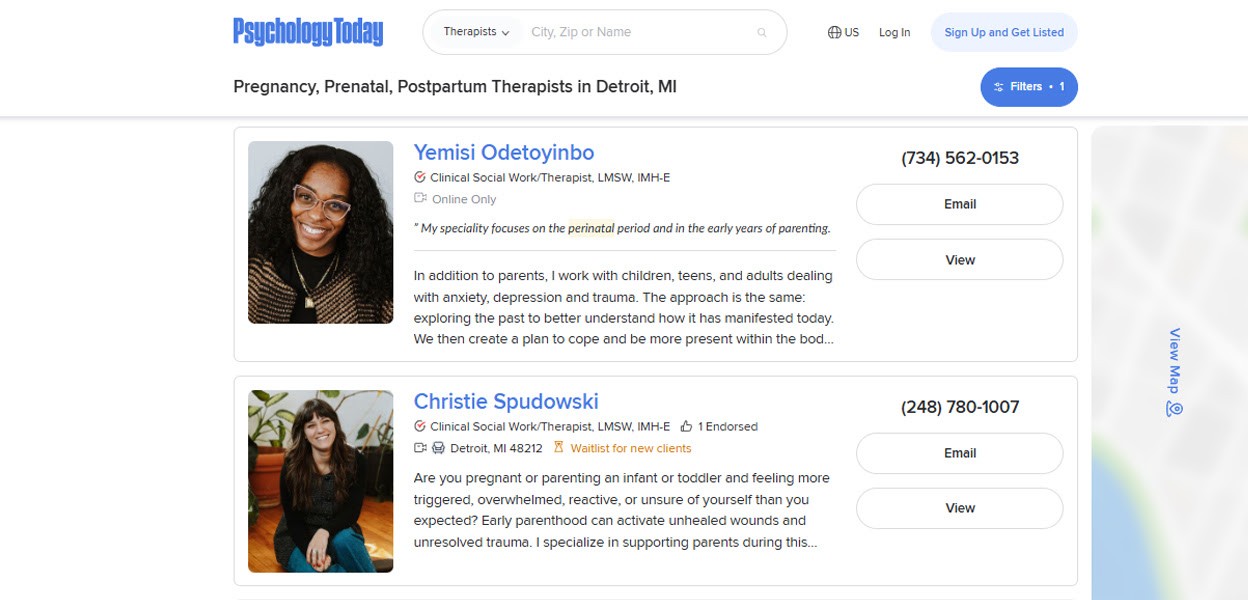
There's virtually guaranteed to be a whole list of therapists who can help you; it's just a matter of picking them from a list and giving them a call.
BMC-Troy
Here at BMC-Troy, we also provide services to treat mood disorders, including perinatal and postpartum depression. We recognize that postpartum depression is a scary and all-too-common part of new parenthood, and we're here to help you through it.
Our clinicians can work with you for an accurate assessment and diagnosis, as well as an evaluation of any potential complications or other concerns you may have. We're happy to help both you and your spouse, in family or individual therapy, and with any medication management that needs to be done.
We accept most major insurances available in the Detroit area, and work to make our services as available as possible.
To get started, you can call our office at 248.528.9000, or you can fill out our new patient intake form directly on our website here. We'll be in touch and will help you handle this unexpected complication of new parenthood.
Whatever your feelings, whatever your situation, know that help is available. You deserve to start your parenthood journey on the right foot, and we'll do what we can to help that come true.