
When it comes time to seek out mental health treatment, whether it's for severe issues or for routine ongoing sessions with a new therapist, you want to know who is sitting across from you. There are all sorts of different specialists, and there are several different licenses and certifications your therapist might carry. Beyond being a string of letters on their business cards, these licenses carry important meanings. Want to know what your therapist is and what it means? Here's our reference.
DISCLAIMER: This article is for informational and educational purposes only and should not be considered medical or psychological advice. The information presented here is not intended to diagnose, treat, cure, or prevent any mental health condition or replace professional therapeutic care. Every individual's experience with trauma and mental health is unique. Please consult with a qualified mental health professional, therapist, or healthcare provider to determine the most appropriate treatment approach for your specific situation. If you are experiencing a mental health crisis or emergency, please contact your local emergency services or crisis hotline immediately.
Why the License Matters
Why does the license your therapist holds matter? Well, a few reasons.
First, having a license at all is required to practice as a therapist in the state of Michigan. If your therapist doesn't have any sort of license, it's worth asking what they're bringing to the table.
Now, there are some reasons why you might get good, useful support out of someone who isn't licensed. For example, many peer support groups are led by exactly that: peers. These are people who have gone through the same thing you're going through, and who may have taken a course or a training module to lead group sessions, but they don't have the schooling or licensing to be a professional.
The lack of a license doesn't make peer support groups bad; it just means there are some limitations on what they can do.

The same goes for different types of licenses. License indicates the level of education your therapist has, as well as any specialties they might have. Some may be trained in more specific techniques relating to their specialties.
Since licensing is handled by the state, you can also look up a therapist's license number to verify the status of their licensing. Michigan has a license verification portal available to the public here.
All of this helps put into context the skills, education, and training your therapist has. From there, it's a matter of finding someone who fits with your needs and can help you make the process you need.
License Types in Michigan
There are a lot of different licenses in mental health, so we're going to start by covering three of the most common, and then review others you might see in the field.
LLPC/LPC
First up is LPC, which stands for Licensed Professional Counselor. LPCs are professional licenses that are only issued after passing a counseling program, typically either a Masters or a Doctoral program, from an accredited school. To earn an LPC, the individual needs to practice for 3,000 hours under supervision.

You may also see LLPC or LLC. LLPC stands for Limited Licensed Professional Counselor, and LLC stands for Limited Licensed Counselor. Both of these refer to the stage before a full LPC; those who have passed their courses, but who are still working on supervised practice. The "limited" basically means "in training", though LLPCs are no less well-trained than LPCs, they just have less experience.
LPCs are licensed to provide therapy and counseling, but are not allowed to prescribe medications or perform comprehensive psychological testing, such as deep personality assessments or IQ testing.
LLMSW/LMSW/LCSW
LMSW is Licensed Master Social Worker. LCSW is Licensed Clinical Social Worker. LLMSW is Limited Licensed Master Social Worker.

To earn this license, a prospective social worker must pass the Master of Social Work degree program from an accredited institution. When they pass their courses, they're issued the Limited license, and then start practicing under supervision. After 4,000 hours of supervised practice, they can take the state exam and earn their full LMSW license.
Where does LCSW fit in? Well, there's a lot that can be discussed about the LCSW, but none of it matters here in Michigan; our state does not issue LCSW licenses. There are no practicing LCSWs in Michigan, so LMSWs are the licenses to look for.
LMSWs can provide counseling, manage cases, work with macro-level organizations for community social work, and more. Since LMSW is not licensed to practice independently or provide psychotherapy, however, much of their work is on the macro level. However, Michigan offers a route to a Clinical Designation LMSW, which is the variant license that allows independent practice and psychotherapy. This has its own exam.
LMSWs are also not allowed to prescribe medications.
You might also see a handful of related social worker license designations: PSSWC, PSWC, and SSWP. These are Preliminary School Social Worker Certificates, Professional School Social Worker Certificates, and School Social Worker Permits. These are additional certifications for LMSWs to provide social worker services to schools specifically.
TLLP/LLP/DLLP/LP
The third common license you'll find in Michigan therapist offices is one of the LP licenses. There are four variations on this license.
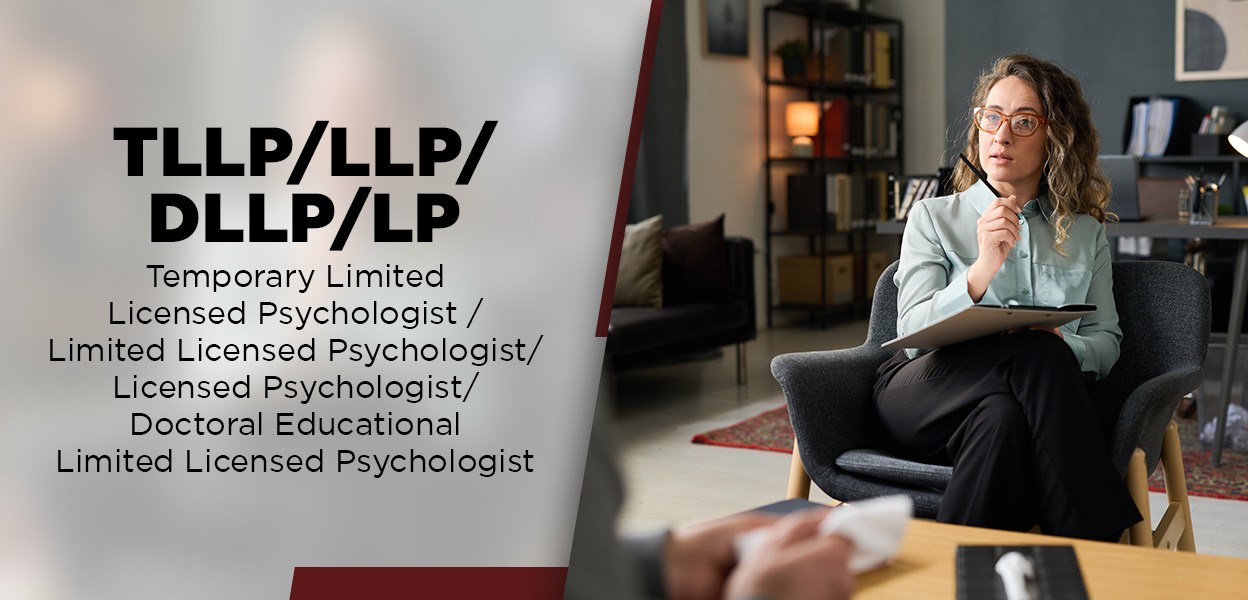
LP is Licensed Psychologist, and it's a full doctoral-level program and one of the top in the field of mental health. Unlike the two groups above, LP has another tier of license building up to it.
When a psychologist-to-be takes their degree program courses, they will start with a Masters-level program. When they finish this program, they can start practicing under supervision as a TLLP, or Temporary Limited Licensed Psychologist.
When the initial batch of supervised practice hours is met, the TLLP transitions to LLP, or Limited Licensed Psychologist. Many LLPs practice under supervision indefinitely, renewing their license at this level whenever it comes up.
For those who wish to further their education in the field, LLPs can pursue additional education under a doctoral program. The doctoral program, upon completion, allows them to become a DLLP, a Doctoral Educational Limited Licensed Psychologist. This, too, is a "practice under supervision" position, as they work towards the full license as a Licensed Psychologist.
TLLPs can provide therapy, conduct psychological assessments, develop treatment plans, and work towards the Examination for Professional Practice in Psychology. LLPs broaden their horizons and can work in other settings. DLLPs are similar. None of these designations are allowed to practice independently.
LPs have all of the same capabilities, but are allowed to practice independently. LPs have the ability to prescribe medications in some states, but not in Michigan, which can be a surprise to some people coming in from out of state.
Other Licenses in Mental Health Treatment
Beyond these three main groups, there are a bunch of other licenses you'll likely encounter somewhere in the spectrum of mental health treatment. Some aren't directly mental health related, and others are very specialized licenses.
MD
MD is Doctor of Medicine, and it's a common role you'll see in mental health practices where most of the other staff are pulled from the list above. Since none of those licenses allow for the prescribing of medication, having an MD on staff allows a practice to handle medication management without needing to go through a patient's own PCP, with all of the communication, insurance, and other issues that can arise.

That might sound like it diminishes the role, but MDs are also critical contributors to psychiatric care for patients. Many MDs found in mental health offices have specializations in psychiatry and are fully licensed to provide therapy and other services. Our very own Birgit Amann, MD, is one such example; she is board-certified in Child, Adolescent, and Adult Psychiatry.
RN/NP
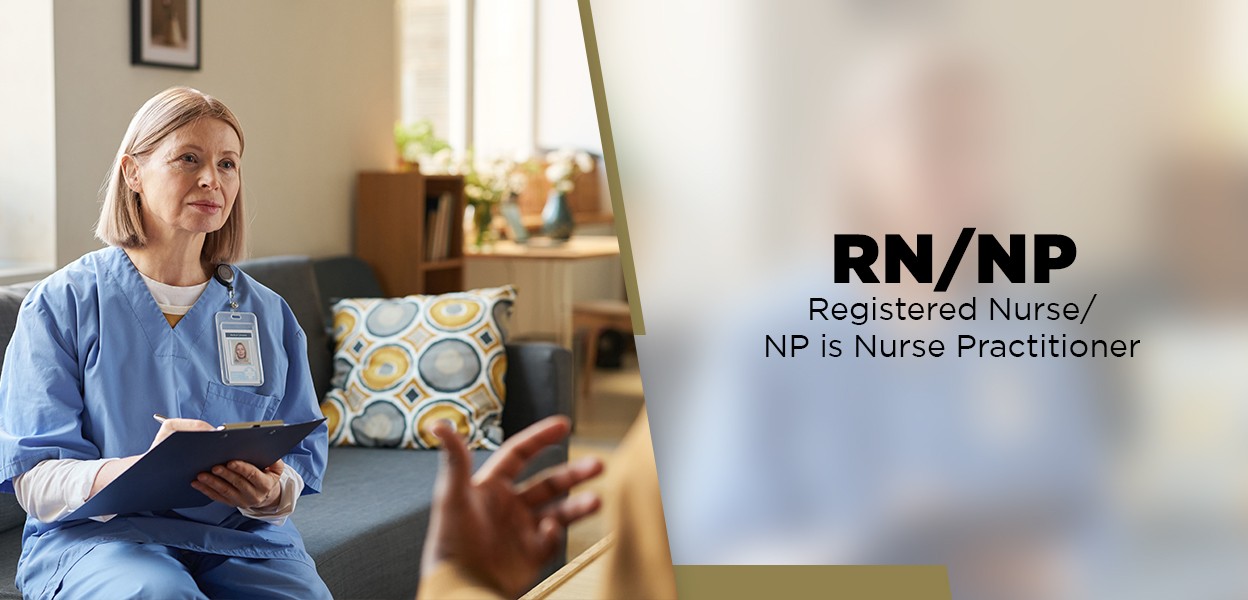
RN is Registered Nurse and NP is Nurse Practitioner. These are both very common roles in the overall medical field and play important roles in mental healthcare as well. RNs perform patient assessments, can help with medication management (though they cannot prescribe), coordinate care, and more. NPs are much the same, but have a higher level of education and specialization, and can prescribe.
That said, you usually won't see NPs in psychiatric care; instead, you'll see:
PMHNP-BC/PMHCNS-BC
These two licenses. PMHNP is Psychiatric Mental Health Nurse Practitioner, while PMHCNS is Psychiatric Mental Health Clinical Nurse Specialist. Both are specialized roles in mental healthcare rather than a more general NP license. The BC designation simply means Board Certified.
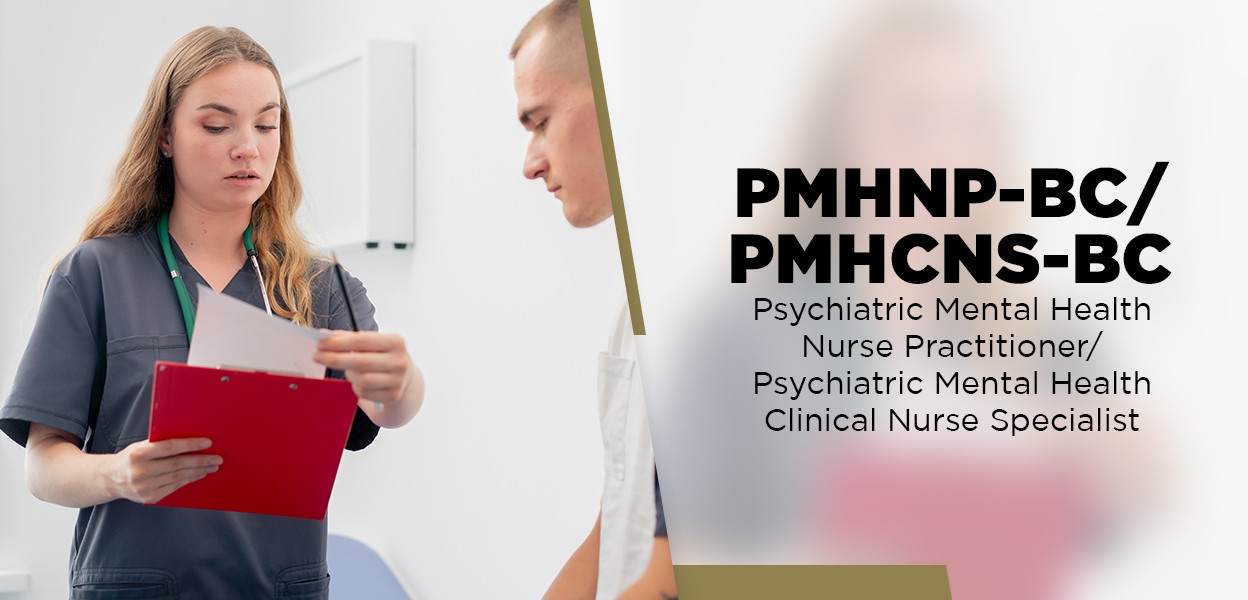
It's important to note that PMHCNS is no longer available as a role, as the American Nurses Credentialing Center retired the certification exam in 2016. Anyone who actively holds and maintains a PMHCNS is able to continue to do so, and can take recertification exams every five years, but no one going through school today can become a PMHCNS; instead, the role has largely been merged with the PMHNP license.
DNP
DNP is Doctor of Nursing Practice. It's the capstone of the nursing line, the highest possible level one can achieve in nursing. It's very practice-focused, and includes a lot of high-level, systemic, and leadership education as well.

DNPs aren't just providing therapy to patients; they're leading practices, guiding healthcare across their industry, and directly influencing healthcare policy.
LLMFT/LMFT
LMFT is Licensed Marriage and Family Therapist. LLMFT is Limited Licensed Marriage and Family Therapist, and is once again the "under supervision" version of the license for those who have graduated from the school program but who are still working on their clinical hours.
LMFTs are mental health specialists who focus specifically on marriage, family, and relationship counseling. They can provide therapy and help with conflict resolution, but like most other mental health licenses, they can't prescribe medications on their own.
MSN
MSN is a Master of Science in Nursing. This is a graduate degree that serves as a sort of middle ground between a BSN (Bachelor of Science in Nursing) or an RN role, and the Nurse Practitioner role.
MSNs aren't necessarily mental healthcare focused, but those working in mental health offices typically have a specialization in mental healthcare that also prepares them to pursue a PMHNP later.
FNP-BC
FNP-BC is a Family Nurse Practitioner, Board Certified. FNPs are nurse practitioners with a specific focus on family care. In the case of mental healthcare, that means being able to provide therapy and other services to everyone from early childhood to advanced age.

There's also an FNP-C, which is similar, but the licensing body is different. FNP-BCs are licensed by the American Nurses Credentialing Center, while FNP-Cs are licensed by the American Academy of Nurse Practitioners Certification Board. FNP-BCs tend to focus more on theory, research, and policy, while FNP-Cs are more aligned with direct practice and clinical decision-making.
AGNP-C
Another variation on nurse practitioners, AGNPs are Adult-Gerontology Primary Care Nurse Practitioners.

They're NPs, but with an additional focus on adult and older mental and physical conditions, including advanced age.
CAADC
CAADC is a Certified Advanced Alcohol and Drug Counselor. This is a masters-level certification for counselors who want to specialize in substance use disorder, co-occurring disorder care, and related spectrum disorders.

Their certifications are issued by the Michigan Certification Board for Addiction Professionals, here in Michigan.
Care From Every Angle
When you want to get the best mental health treatment you can, you want to find someone who specializes in the issues you have and the treatment you need. Since the mental health challenges we all face are as unique and varied as we are as people, no one certification could cover it all. That's why, at BMC-Troy, we have a wide range of different staff members with different certifications and specialties. Whatever conditions or issues you might have, we have someone who can help.
Whatever you're facing, you don't have to face it alone. Help is available, whether you need emergency crisis care or long-term therapy, medication management or inpatient treatment, and everything in between. While we don't provide everything at BMC-Troy, we cover a lot, so we encourage you to reach out and ask. You can call our office during business hours at 248.528.9000. Or, if you want to get the ball rolling ASAP, you can fill out our new patient intake form here on our website, and we'll get in touch.