

The age range from 40 to 60 is a prime time for emotional and mental changes, often accompanying challenges in health and lifestyle. The so-called "mid-life crisis" kicks in during this time, but it's far from the only example. Women especially have it hard, as this is when perimenopause starts to occur, with all the changes it brings.
DISCLAIMER: This article is for informational and educational purposes only and should not be considered medical or psychological advice. The information presented here is not intended to diagnose, treat, cure, or prevent any mental health condition or replace professional therapeutic care. Every individual's experience with trauma and mental health is unique. Please consult with a qualified mental health professional, therapist, or healthcare provider to determine the most appropriate treatment approach for your specific situation. If you are experiencing a mental health crisis or emergency, please contact your local emergency services or crisis hotline immediately.
What is Perimenopause?
Perimenopause is the time span leading up to menopause, where your body starts making changes to prepare for the cessation of menstruation. Some women start to experience the symptoms of perimenopause in their late 30s; others don't see them until their 50s. The 40s is the age range where it's most common.
Physical symptoms of perimenopause include irregular and unpredictable periods, hot flashes, sleep problems, vaginal and bladder problems, changes in sexual function, changes in cholesterol, and more.

On top of that, many women experience changes in mood. In part, these are a reaction to physiological changes; you can be more irritable when you're dealing with a stressful and painful body, after all. Others, though, stem from changes in biochemistry and hormones.
These mood changes can be difficult to handle, especially when they come on gradually, and you don't quite realize they're occurring at all. Fortunately, there are ways to get help to steady your emotions and center yourself.
How Perimenopause Affects the Mood
Perimenopause is deeply complex, and because it involves the endocrine system, it touches on virtually every other aspect of your health and well-being.
One of the biggest changes is a decrease in the body's endogenous production of estrogen, testosterone, and progesterone. While these hormones are deeply related to the reproductive system, they also play many other roles in the body.
In particular, estrogen plays a role in regulating dopamine and serotonin, two of the most important brain chemicals involved in mood and emotion.
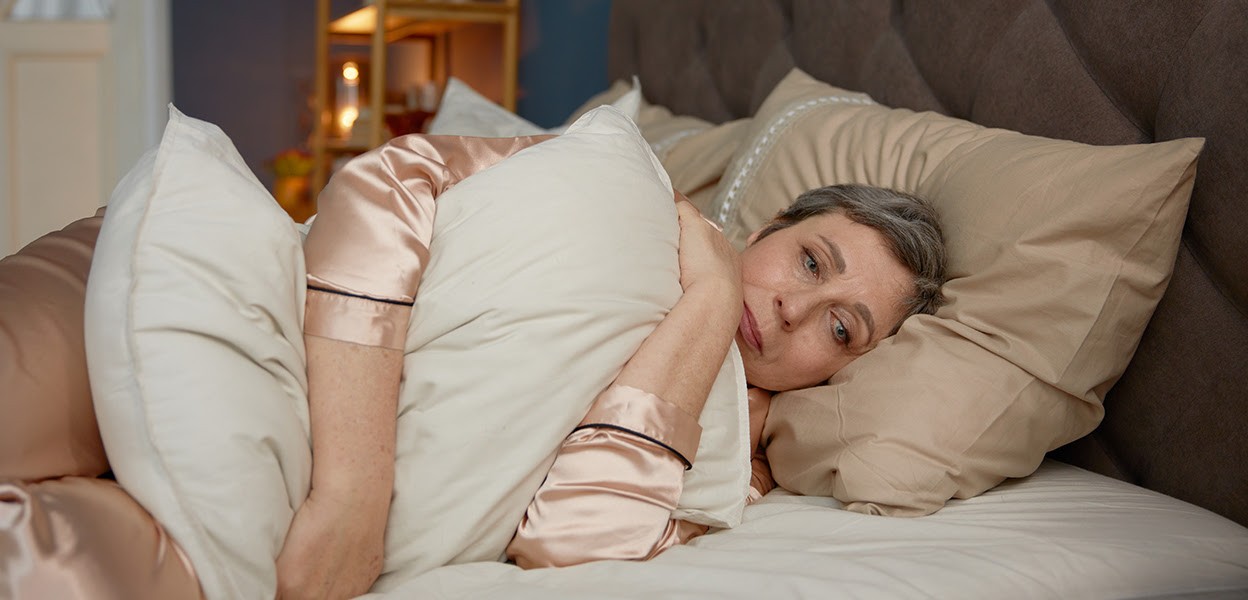
On top of the direct neurochemical changes, the biological reaction to physical changes also affects mood.
- Difficulty sleeping and reductions in restful sleep lead to fatigue, irritability, and other mood changes.
- Hot flashes and night sweats further compound uncomfortability and annoyance.
- Decreased libido can lead to frustration and self-esteem issues.
- Overall stress levels can be affected, particularly those surrounding interpersonal relationships, childcare, caring for elderly parents, and physical changes.
The 40s also tend to be a time of turmoil in life. It's a time where children are getting older and reaching life transitions. It's a time where parents are ailing or passing away, as well as other family members you may be close to. It's a time when many health issues start to develop or manifest, from early-onset age-related diseases to genetic illnesses to the compounding effects of injuries and more. Bodily systems are starting to break down, and that puts another layer of stress on top of everything else.
It's no wonder that mood and emotional changes are common.
Risk Factors for More Serious Mood Changes
We say "common" rather than "guaranteed" because, while all women go through menopause, not all women experience serious mood or emotional changes. Some women are more vulnerable to these changes than others.

So, what are some risk factors that might mean you have a more significant challenge ahead of you?
- Your overall health is poor. Poor health is a negative multiplier on the other stressors and adverse events in life. When your health is worse, it's harder to be resilient and recover from other challenges.
- Your sleep quality is poor. Sleep is one of the most important aspects of life, while also being severely underestimated. Middle age is when sleep debt and poor-quality sleep really catch up.
- Your overall stress levels are high. All sorts of things in your 40s can make life more stressful, and the higher your stress levels are, the more vulnerable you will generally be to emotional disruptions and changes.
- You're biologically more sensitive to hormonal changes. Some women simply react more strongly to hormonal changes than others, as a consequence of genetics or biology.
- You have a pre-existing psychological condition, diagnosed or otherwise. Women with existing depression, anxiety, PTSD, bipolar disorder, or other emotional dysregulation will find disruptions to mental and emotional stability harder to handle. If you have one of these but haven't been diagnosed or treated, it's even more of a challenge.
It can be very difficult to recognize mood changes from the inside; after all, when the very chemistry of your brain is changing, getting your brain to recognize that is itself a challenge.
What Do Perimenopause Mood Changes Look Like?
It's one thing to understand the underlying mechanisms and causes, but what do the emotional and mood changes you experience actually look like?
There's no singular template every woman goes through. The stereotype is irritability, but that's just one possibility.
One big way that perimenopause symptoms manifest is actually very similar to PMS. Around 40% of women report irritability along with low energy, a tearful mood with easy crying, and difficulty concentrating.
In fact, many women wave away the early symptoms of perimenopause as simply PMS. The main differentiating factor is simply the timing; women undergoing perimenopause experience these symptoms seemingly randomly, with no alignment with their menstrual cycles.
Another way perimenopause affects the mood is with heightened depression. Depression symptoms include easy crying, but also emotional or mental numbness, feelings of low self-worth or self-esteem, and a loss of interest in the activities you previously enjoyed. Women with existing depression may find it's stronger or changes in character, and women with depression they manage may find their treatments don't work as well.
Anxiety is also common, though it's not as often reported. This may be due to anxiety stemming from other causes; someone experiencing heightened anxiety might attribute it to career or family issues rather than perimenopause.

You may also experience some of the physical side effects of emotional dysregulation, such as muscle tension, sweating, and nausea.
Bipolar disorder also often manifests in this age range. Interestingly, however, it occurs in this age range for both men and women, which indicates that perimenopause isn't a contributing factor. That's not to say you shouldn't seek treatment if it's occurring; just because perimenopause is also going on doesn't mean bipolar disorder isn't serious and worth consideration.
None of this is clear-cut. Every woman will walk this journey in a unique way, which is why it's so important to be willing to acknowledge when something is wrong and when you should seek help.
Seeing changes to your own state of mind from the inside can also be difficult. Many women might not realize how they've changed until family or friends react. If you've had friends and family start avoiding you, or question why you're being snippy or sad, or otherwise acting differently around you, it might be worth taking a moment to think about if any of these symptoms apply to you.
And really, what's the worst outcome? You talk to your doctor, evaluate your health, talk to a therapist, evaluate your mental health, and leave with a better understanding of your state of being. More people can benefit from these simple evaluations, even if they don't end up needing ongoing treatment.
How Are Perimenopause Mood Changes Treated?
If you're going through perimenopause and you're experiencing changes in mood and emotional well-being, what options are available to you?
When you start researching this topic, you're likely to encounter a wealth of advice on lifestyle changes. Get more sleep, get better sleep, eat a better diet, reduce your daily stress, exercise more… it's common advice, but it's not exactly helpful, right?
After all, this is the same advice that comes along with every disorder, every medical condition, every bit of life improvement questioning. Certainly, it can be effective at reducing some of the physical and mental sources of stress that contribute to emotional dysregulation and mood disorders. At the same time, though, there's so much more available; you don't need to rely on Tai Chi in the park and a salad instead of a burger to solve what ails you.
One common option is hormone replacement therapy, which in this context is often called menopause hormone therapy, or MHT. Since perimenopause is characterized by a reduction in estrogen, taking supplemental estrogen can offset that loss and help address the symptoms you experience. In particular, estrogen HRT is used if your biggest symptoms tend to be hot flashes, vaginal dryness, night sweats, or bone loss.
MHT/HRT can be taken systemically, or as a vaginal application like a cream or a ring. These each focus on different elements of perimenopause, and have their own pros and cons, so it's worth discussing them with your healthcare provider.

HRT does come with side effects, however. It can increase your risk of blood clots, breast cancer, and stroke. It's something you need to discuss with your OBGYN to determine if it's appropriate for you.
Another common treatment option is antidepressant medication. SSRIs help with both depression and anxiety, as well as some perimenopause symptoms, like hot flashes. This makes them a good option to discuss with your medical care team if you're experiencing both a mood disorder and the physiological effects of perimenopause.
If your issues are more centered around emotional stability and mood, you might benefit most from psychotherapy. Therapy options like CBT, DBT, and similar therapies can all be excellent for addressing and learning to handle mood changes. Depression and anxiety in particular are great candidates for these therapy options.
It's worth remembering, too, that you're not limited to just one treatment. Perimenopause is complex, your life and your mind are complex, and thus the treatment that will work best for you is likely to be complex as well.
That means working with your care team, talking to both your OBGYN and a mental healthcare provider, and narrowing down treatments until you find the set that works best for you.
And sure, eating a better diet, getting better sleep, and exercising a bit more are all likely to be recommended, and they can certainly help. But they aren't the end of the treatments available to you. They're something you can do to help along the way.
Getting Started with Care for Perimenopause Mood Changes
If you've noticed mental or emotional changes, if you're starting to feel the physiological changes associated with perimenopause, or if your family or loved ones are starting to worry about you, it's time to seek care.
The first thing you should do is talk to your healthcare specialist. This could be your primary care physician, or it could be your OBGYN; whoever is the most appropriate to look into the physical aspects of your health.

There's a chance that both physical concerns like hot flashes and difficulty sleeping, as well as the associated mental health concerns, can be addressed through medication like HRT. There's a reason why these are first-line treatments for perimenopause, after all.
If you are concerned about your mental health, if you're struggling with anxiety or depression, or even if the stress is just getting to you, don't hesitate to call to get help - whether counseling, medication or both.
Here at BMC-Troy, we're proud to offer a wide range of treatment options for all kinds of different mental health challenges, from anxiety and depression to PTSD to much more. We see many women in the greater Detroit area who struggle with the effects of perimenopause, the mid-life changes and struggles and stresses we all face, and more.
It doesn't matter if you feel like your struggles are minor or that there are people who have it worse. You deserve care, and we'll provide that care to you. All you need to do to get started is either call our office at 248.528.9000 or fill out our new patient form right here online, and we'll reach out to set up an initial consultation.
From there, we'll meet, discuss your concerns, and perform an initial evaluation to determine what your needs are and what potential treatment options suit you the best. Then, it's just a matter of putting them into practice.