
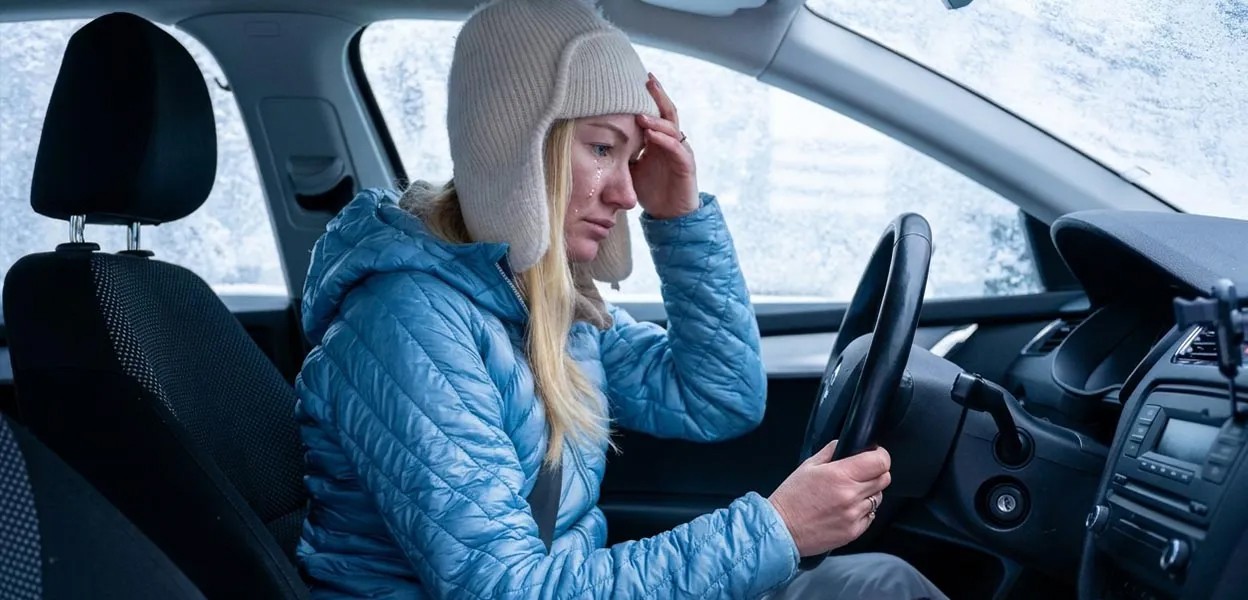
Driving is already a tricky proposition. Even if you're confident behind the wheel, you're sharing the road with thousands of other people, and you have to trust that all of them also know what they're doing. Collisions are commonplace, and that's in ideal conditions.
So, when the snow starts to fall, the roads gather that layer of muddy slush, temperatures drop, and ice starts to form, when snowfall limits visibility, that's when things can get really scary.
Some level of anxiety over driving can be normal, but when it affects your ability to live your life, it's time to seek assistance. If you're calling in sick because there's a dusting of snow on the ground or you're canceling functions because the weather report says it might snow later, consider reaching out.
DISCLAIMER: This article is for informational and educational purposes only and should not be considered medical or psychological advice. The information presented here is not intended to diagnose, treat, cure, or prevent any mental health condition or replace professional therapeutic care. Every individual's experience with trauma and mental health is unique. Please consult with a qualified mental health professional, therapist, or healthcare provider to determine the most appropriate treatment approach for your specific situation. If you are experiencing a mental health crisis or emergency, please contact your local emergency services or crisis hotline immediately.
Recognizing the Signs of Driving Anxiety
First, how do you tell when what you're experiencing is a healthy respect for the dangers of the roadway, and when it goes beyond that level and into anxiety?
First, you'll want to take stock of your thoughts and behaviors surrounding driving, both when you're behind the wheel and when you're at home considering the prospect of driving.
Think about physical symptoms. Does the thought of driving trigger an anxiety or panic attack? Does your heart start to race, your palms sweat, or your hands shake, before you reach the car or when you sit behind the wheel? Does even the thought of being a passenger make your heart skip a beat?
The physical signs of anxiety reflect your state of mind, and the neurochemicals your brain puts out at the prospect of something stressful on the horizon. Worse, they can reinforce those feelings of anxiety, since the mental panic and the physical shaking can make it even harder to safely operate a vehicle.
Think about the things you do when faced with driving in the winter. For example, do you go out of your way to avoid doing things outside the house? Do you order your groceries in even though you could go get them? Do you pay for DoorDash when you don't need to, rather than go out to eat? Do you cancel plans, reschedule appointments, or call off work for the day when the weather is just a little down?
All of these are forms of avoidance. When you're avoiding the prospect of driving, it can feel like prudence, and the relief of no longer needing to drive can feel palpable. But if the weather isn't that bad and you have no rational reason to really avoid driving, bending your life around the anxiety is irrational.
It's important to acknowledge here that we're not saying you should drive in any conditions or force yourself on the road when it's not safe to do so. There are definitely times here in Michigan where the temperature and snowfall combine to make incredibly slick and dangerous roads, and it's best to stay off them unless there's an emergency.
But, if the snow is light, the roads are plowed, and there are plenty of other people driving safely, it's likely not that bad.
You might also find yourself catastrophizing, or engaging in "what if" thinking. What if you get lost? What if you lose traction? What if you get stuck in the snow? It's reasonable to consider the possibilities, but if you spiral and can do nothing but think about them, it's more likely to be driving anxiety.
Think about the behaviors you have behind the wheel. Anxiety is often accompanied by hypervigilance. You're constantly worried about either the way your car will behave or the way cars around you will act. You may do things like:
- Drive 10+ mph under the speed limit to try to be safe.
- Constantly check your rear-view mirrors in case someone behind you is approaching too fast.
- Drive with your hazard lights on when you don't have a mechanical reason to do so.
These sorts of behaviors are actually more distracting and increase the risk of dangerous driving. You might think you're being safe, while turning yourself into an obstacle that other drivers need to avoid, and your vigilance means you're taking your eyes off the road.
These are some of the biggest symptoms of driving anxiety during our winters here in Michigan. If you're recognizing those behaviors in yourself or in a loved one, even if they aren't yet debilitating or life-altering, it can be worth seeking assistance.
What Causes Winter Driving Anxiety in Michigan?
Where does driving anxiety come from?
The specific causes are different for everyone.
Often, it begins benign enough, with a healthy respect for the roads and the dangers they present. Sometimes it begins with a doctor's advice to limit driving due to a medical condition. It can even begin with simple inexperience, combined with avoidance that prevents gaining that experience.
It might escalate over time. A lack of confidence in your vehicle's performance in the winter. A bad experience sliding down a hill or through a stop sign, even if no one is hurt and nothing is damaged.
Sometimes there's an inciting incident, a trauma. A time when someone slides through a red light and hits you, or you slide through and hit someone else. A worse accident. An unexpected panic attack. Sometimes you might not even be involved, but witnessing a bad accident can cause secondhand trauma.
This doesn't necessarily need to meet the diagnostic criteria to be PTSD. It can still be anxiety-related and worth treating.
There can also be secondary factors. Seasonal depression and seasonal affective disorder are common here in Michigan and are often tied into anxiety in ways that can be difficult to untangle. Generalized anxiety disorder can also spike with certain activities like driving.
How to Handle Winter Driving Anxiety in Michigan
If winter driving anxiety is having a negative impact on your life, it's worth addressing. The question is, how?
There are some things you can do yourself, and others that come from talking to a mental healthcare provider.
Physical and Mental Techniques to Calm Anxiety
Anxiety is both mental and physical, and that means you're going to want to do things to process it both mentally and physically.

Here a few things you can consider:
- Try the grounding method. Look around and identify 5 things you can see, 4 things you can hear, 3 things you can touch, 2 things you can smell, and 1 thing you can taste. This helps center you in the moment and pull you out of negative thought patterns.
- Try diaphragmatic breathing. This breathing pattern involves inhaling slowly through your nose and letting your belly expand with the air, holding for a few seconds, then exhaling through your mouth. Calm, regulated breathing helps restore focus and calm the nerves.
- Try cognitive reframing. Identify an anxious thought, write it down, and examine it. Write down the evidence supporting it and the rationale against it, and find a realistic, balanced perspective rather than the worst possibility.
Talking to a psychiatrist or therapist can help you identify the coping strategies that work best for you, so you can put them into practice when an anxiety attack is taking over.
Exposure Therapy and Practical Skills
When your anxiety centers around something as tangible as driving a car, it's something you can combat directly through positive experiences.
Start by sitting in your car and practicing mindfulness to stave off the anxiety. You don't even have to turn the car on if your anxiety is bad enough; just get more used to being in the car.
Once you're more comfortable in the car, turn it on and let it run. (Make sure, if you're in a garage, to open the garage door. We don't want to replace anxiety with carbon monoxide poisoning!) Do the same thing: practice techniques to process and let go of anxiety while sitting in the running vehicle.
Next, start taking small drives. Drive around your neighborhood, around the block, up the street and back. A safe, controlled location low on traffic is ideal, where you can get more of a feel for driving in the winter without worrying about other drivers.
Tip: If you don't live in a location conducive to this practice, get a friend to drive you out to somewhere that works better. Having a friend with you in general isn't a bad idea.
Once you're more comfortable on shorter drives in calmer areas, you can start making short trips. Make a run up to the grocery store, head out to get gas, go out to eat. These longer drives or more populated drives can help you grow more comfortable with winter driving.
Finally, you can graduate to the more complex tasks; things like highway driving and longer trips.
If you have the option, you might also find a large, open parking lot, somewhere you can practice making sharp acceleration and braking or rough turns to get more of a feel for how your vehicle behaves. Just don't do this anywhere you or anyone else could get hurt, and make sure the conditions are right for it.
Preparing for the Worst
Part of anxiety over driving is fear over the worst possible things that can happen. So, to fight it, you can make some reasonable preparations for if such things happen.
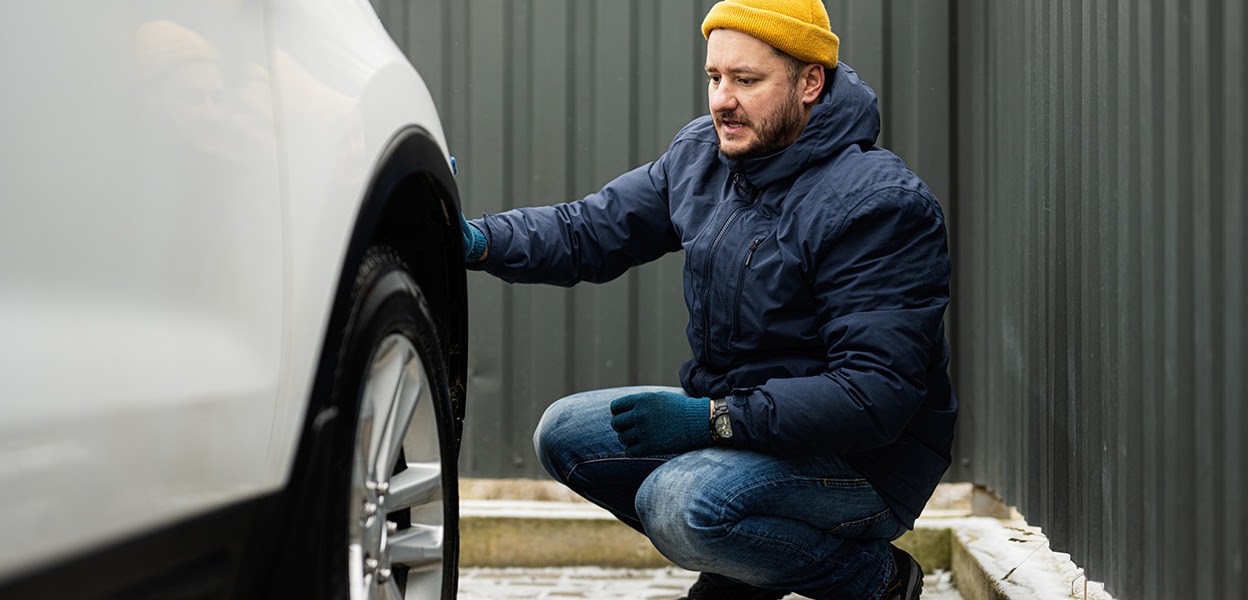
Consider:
- Stocking your car with supplies like blankets, snacks, an emergency phone, water, and other supplies. Get something like LED lights and reflectors for visibility.
- Make sure your car is in good repair for the winter. Make sure you have good all-season or winter tires, and your tread depth is good. Check fluids like antifreeze and windshield washer fluid. Replace your windshield wipers. Check tire pressure, and make sure your spare is in good condition.
- Plan ahead and make sure to give yourself extra time to get where you're going, to account for conditions.
- Learn the features your car has that can help. Anti-lock brakes can be scary if you've never experienced the noise and feeling they make. Traction control can change the way your vehicle feels. Four-wheel drive can make a big difference too.
Preparations and experience can help you feel more prepared for the unexpected if it occurs on the roads, and it's not a bad idea even without anxiety.
It's also worth recognizing when it's actually dangerous to drive. The weather can get bad enough that it's not a good idea to be out on the roads. Often, the city will issue a warning during bad blizzards and icy conditions, so you can check with their resources, or whatever is most relevant for where you live.
Seeking Professional Assistance
There's a limit to what you can do with self-help, for most people. If it were that easy, we wouldn't have anxiety, after all. This is where professional help comes in.
If you have winter driving anxiety, it's worth talking to a professional about it. They can help by diagnosing your feelings and finding ways to address them.
For example, if you have underlying trauma from an accident, something like EMDR can help with recovery. If you have spiraling thoughts and generalized anxiety, they can arm you with coping mechanisms to help redirect those thoughts. If your anxiety is bad enough, they may even recommend medications, though of course some medications shouldn't be taken when driving, so it's best to balance these considerations.

Here at BMC-Troy, we know many people have anxiety when driving in the winter, from uncomfortable worries all the way to debilitating fear. Whatever the case may be for you, help is available.
Our team of licensed prescribers and therapists work with all sorts of individuals across all kinds and degrees of anxiety. From the initial assessment to ongoing treatment, we're available; all you need to do is take that first step.
And really, the best time to take that step is now, before the winter kicks off and the snow starts to fall.
To get started, you can call our office at 248.528.9000, or you can fill out our new patient intake form directly on our website here. Then it's just a matter of coming in for a consultation and finding the right way forward.