

Some people find gambling fun. Playing with pennies over poker with pals, tossing a few dollars into a slot machine at the bar, or putting a few bucks on the company fantasy football can all be good fun and relatively harmless.
But all things must be enjoyed in moderation. Gambling can very, very quickly become problematic. Casinos are full of tricks meant to make their patrons lose their sense of time and scale, to make the money seem more abstracted, and to hide the true odds of winning and losing from anyone who isn't exceptional with probabilities and statistics. Gambling games are often engineered to make it very difficult to win, but allow wins just often enough to keep you going. The so-called "dark patterns" keep you locked in.
Problem gambling can be devastating, but help is available.
DISCLAIMER: This article is for informational and educational purposes only and should not be considered medical or psychological advice. The information presented here is not intended to diagnose, treat, cure, or prevent any mental health condition or replace professional therapeutic care. Every individual's experience with trauma and mental health is unique. Please consult with a qualified mental health professional, therapist, or healthcare provider to determine the most appropriate treatment approach for your specific situation. If you are experiencing a mental health crisis or emergency, please contact your local emergency services or crisis hotline immediately.
When is Gambling a Problem?
Gambling becomes a problem when it negatively impacts your life in some tangible way. Losing $10 to your friends over cards is probably not a serious impact. Losing thousands every week and struggling to put food on the table or pay your bills is very much another.
The negative impacts don't have to be solely financial, either. They can also be mental, behavioral, and social.
It's very difficult to admit when you have a problem. The term "gambling addiction" is most used for the more severe cases of gambling disorders, but many people suffer from problematic gambling habits without feeling like they're addicted. And, indeed, the line is blurry.
That's why many professionals now use the term "problem gambling" to discuss this subject. If you feel like gambling is having a negative impact on your life, but you don't feel like you meet the level of gambling addiction, problem gambling is a good place to start.

How can you know if gambling is having that negative impact? Consider these questions. You can also take a screener quiz, such as this one from the State of Michigan.
- Do you chase losses, trying to win back what you've lost in previous bets?
- Do you find yourself thinking about gambling when you should be focusing on something else, like work or a social event?
- Do you find yourself talking about gambling a lot, and redirecting conversations to gambling and away from other topics?
- Do you hide the amount of time or money you spend gambling from your loved ones?
- Do you find yourself feeling anxious, irritable, guilty, or feeling other negative emotions when you aren't gambling?
There can also be some more serious symptoms.
- Do you go into debt, borrow money, or sell belongings to fund your gambling?
- Have you considered or turned to theft to fund your gambling?
- Have friends and family come forward to try to talk to you about your gambling?
- Have you tried to stop, but gone back to it despite your best efforts?
- Have you lost friends, family, or relationships because of your gambling?
Problem gambling is not a matter of hitting some level of financial loss; it's a matter of social and behavioral actions that hurt yourself or those around you. Anyone, from childhood to old age, can develop or suffer from problem gambling.
How is Problem Gambling Treated?
As with many mental health disorders, the first step to treatment is understanding the problem. When you seek treatment, you will talk to a mental healthcare practitioner, like a therapist or psychiatrist.
Starting With an Assessment
This professional will start by asking you questions. They will discuss your gambling habits with you, first and foremost. It's important to be honest to get the treatment you need, but it's often difficult to admit that you have a problem or the extent of the problem.
To help get the full picture, your therapist might request permission to talk with your friends or family about your gambling. They will not hold these conversations without your permission, and you must give consent for them to disclose any information about you; the specifics will vary depending on your case and your relationship with your practitioner.

Your mental health practitioner will also go over your medical information. There are a few reasons for this:
- Certain other mental health disorders can make you more prone to problem gambling.
- Certain demographics are higher risk for problem gambling, including younger people and men.
- Some medications, such as those used to treat Parkinson's Disease or Restless Leg Syndrome, have a rare side effect that can result in compulsive behaviors, including gambling.
- Some personality traits, like competitiveness, impulsiveness, and restlessness, can all contribute to problem gambling.
You will also typically undergo a basic mental health assessment. These assessments are a confidential conversation that helps identify other potential mental health concerns you have, such as anxiety, OCD, depression, or ADHD.
Treatment Options for Problem Gambling
In rare cases, when problem gambling has a concrete source like a medication, this information can be given to your doctor, and a new medication can be chosen. In most cases, though, the appropriate course of action is therapy.
For most people, the mainstay of Cognitive Behavioral Therapy (CBT) is the most effective option. CBT can help in a lot of different ways.
It helps you identify your triggers. Before you decide to visit a casino or place a bet through an app, something causes you to think about gambling and decide it's a good idea. There can be a lot of different kinds of triggers, from seeing an ad that reminds you about gambling, to being bored and seeing the dopamine from placing a bet, to being stressed or anxious and using gambling as a way to cope.
Once you know what your triggers are, you can start to recognize them when they pop up, and you can learn how to redirect your thoughts towards healthier patterns.

It helps you avoid distorted thought patterns. There's a saying among statisticians: "Numbers don't owe you anything." Problem gambling is often characterized by behaviors like chasing losses, operating under the belief that you're "due for a win" or that a stale jackpot is due to be paid out. Identifying the falsehoods and avoiding the behaviors is a key part of resisting the desire to gamble.
It helps you set behavioral limitations. There are a lot of ways you can cut yourself off from gambling. Sometimes, just the minor added friction of a password or a time limit can make it less attractive and keep you from playing. Other times, it's the equivalent of locking the door and throwing away the key. You can set financial limits, time limits, time-delay mechanisms, and more. You might also identify and avoid high-risk environments, like the casinos themselves.
CBT may or may not be enough on its own to address your issues with problem gambling.
If CBT alone isn't doing it, you might work with your therapist to explore medication options. This can be effective, particularly if you have comorbid mental health disorders that push you towards gambling, such as depression (gambling because there's no reason to save for a future), or anxiety (gambling because it takes your mind off things). Sometimes, treating the underlying impetus can be crucial for addressing the gambling.
You might also join a peer support group. Peer support groups give you social connections that, while related to gambling, are made of people who are working together to try to avoid gambling any more.
How to Access Help for Problem Gambling in the Detroit Area
If you're located here in the Detroit area, help is available.
Helplines
There are several helplines you can call to access help.
National Problem Gambling Helpline
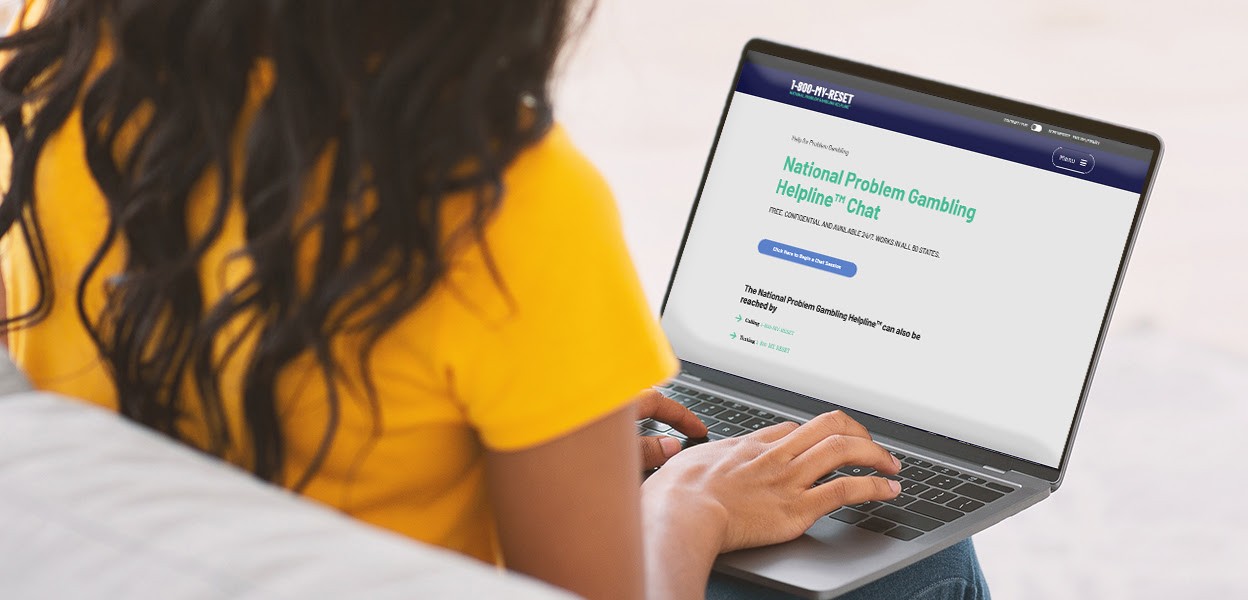
The National Council on Problem Gambling offers three ways to contact their helpline. You can call the helpline at 1-800-MY-RESET (1-800-697-3738), or you can send a text message to the same number for an SMS conversation instead of one over the phone. You can also use a computer or mobile device to access their web chat. They can help you through both an immediate crisis and a long-term problem, and can help you find resources that can help.
Michigan Association on Problem Gambling
The Michigan branch of the Association on Problem Gambling can be contacted by calling 1-800-GAMBLER (1-800-426-2537). Their office in Lansing can also be called directly at 978-394-4722. As a Michigan-focused support center, they can help you locate more local assistance.
State of Michigan Helpline
The state itself has a program for problem gambling called Gambling Disorder Services, managed by the Behavioral Health and Developmental Disabilities Administration. They are available 24/7 and can be called at 1-800-270-7117. When you call, you will be connected to one of a handful of contracted service providers in the area, such as the Health Management Systems of America network, NorthCare Network, or Mid-State Behavioral Health. Detroit-area residents will most likely be connected to the Detroit-Wayne Mental Health Authority.
988
Here in Michigan, 988 is the emergency helpline for a mental health crisis. This isn't meant for gambling addiction support alone; however, if you are experiencing a mental or emotional crisis after a big loss or a relapse, and you're feeling depressed or suicidal, you can call 988 for immediate assistance.
Secondary Tools
There are a couple of interesting options that can help you out here in Michigan and Detroit specifically.
Gamban
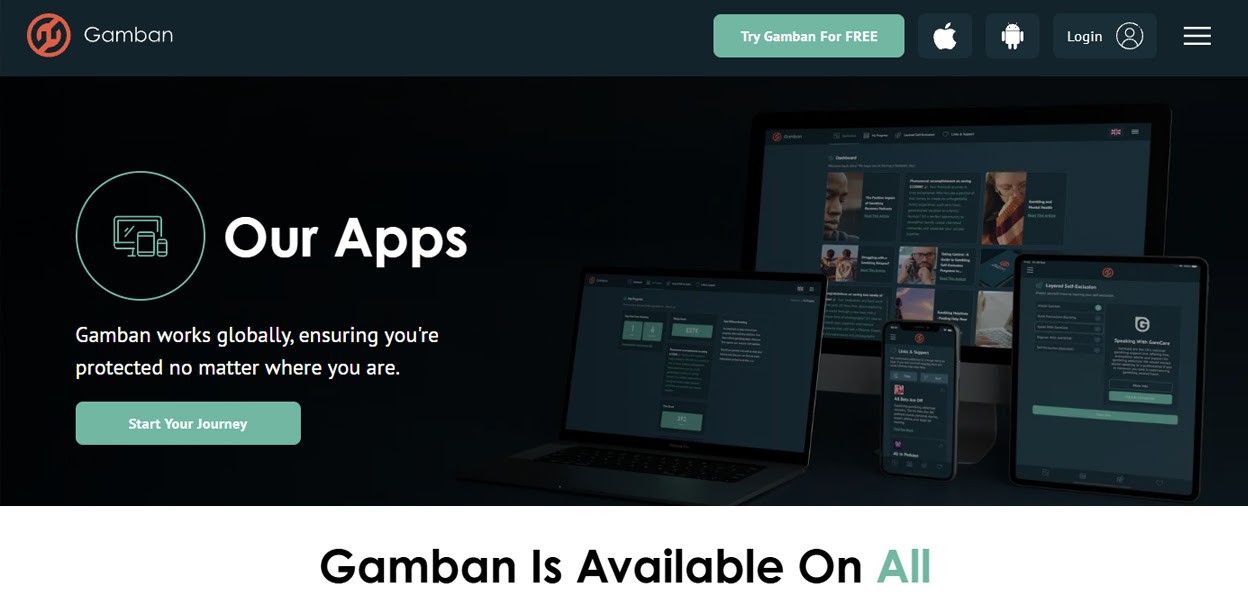
Gamban is a piece of software that you install on your electronic devices. It works on Apple and Android phones, as well as both Windows and macOS devices. It sits between your device and the internet, and blocks access to gambling sites, including online casinos, sports betting sites, online poker, online bingo, slots and other gambling apps, social casino apps, and crypto gambling platforms. Michigan has a partnership with the Gamban company and offers free year-long licenses to Michigan residents.
Disassociated Persons Lists
A disassociated persons list is essentially a list of banned individuals who are not allowed into a casino. There are both local and state-level lists, as well as national lists, which are provided to casinos; the casinos then will refuse service to those individuals, and can remove them from the grounds and even levy criminal trespassing charges and confiscate winnings to find problem gambling treatment programs.
Disassociated persons lists are voluntary; if you have a serious issue with visiting the local casinos in Detroit, you can apply to join the disassociated persons list and be banned from the casinos directly. The form to do so and the instructions to apply for the list can be found here.
While your name on the list can be left permanently, you can also petition for removal after five years. That said, it's a serious choice with long-term repercussions, so make sure you know what you're doing before you apply.
Local Resources
In the Detroit area, you have a lot of options for seeking help.
State-Listed Providers
The state of Michigan publishes a resource list of individual therapy providers and organizations that provide gambling addiction services throughout the state. You can browse the list by county on this page, or click the link near the top for a PDF directory of providers organized by county. Note: This list was last updated in 2013, so some of these providers may no longer be available, and it is far from comprehensive for the Detroit area.
Third-Party Listed Providers
Since Michigan's list is old, you can also look for more updated lists through third-party directories. Psychology Today maintains a large provider directory, which you can filter to your needs. For example, this search shows you Detroit-area therapists who offer gambling addiction treatment.
BMC-Troy
Here at BMC-Troy, our clinicians provide treatment for a wide range of mental health disorders. Because problem gambling shares many of the same characteristics as other addictions, we categorize it alongside substance use disorder. We offer those treatments, as well as treatments for other mental health disorders you might have that contribute to your issues, such as anxiety or depression.
To find out more, you can call our office at 248-528-9000. You can also fill out our new patient intake form directly on our website here.