
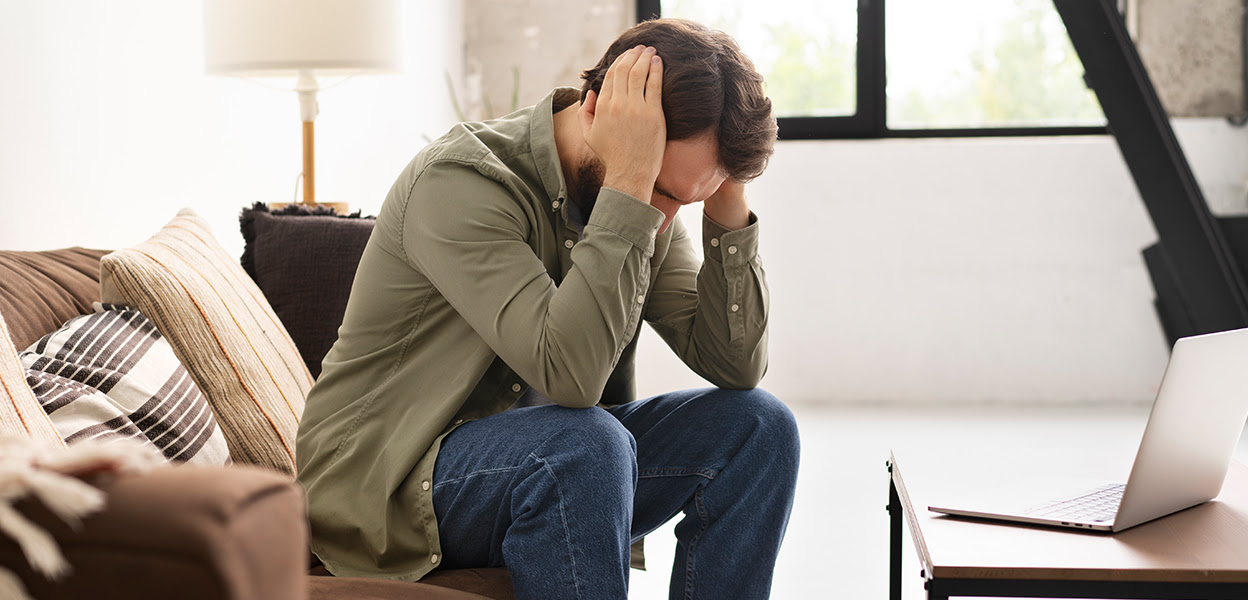
When winter rolls around, things start to change. It’s not just about leaves falling from the trees and snow covering the ground. It’s about gray skies, subdued moods, stressful end-of-year situations, and reflecting on the highs and lows of the year.
Many people feel down and depressed around the holidays and the start of the new year, but it’s not just about getting the blues. For some, it’s a more serious diagnosis, called Seasonal Affective Disorder, or SAD.
DISCLAIMER: This article is for informational and educational purposes only and should not be considered medical or psychological advice. The information presented here is not intended to diagnose, treat, cure, or prevent any mental health condition or replace professional therapeutic care. Every individual's experience with trauma and mental health is unique. Please consult with a qualified mental health professional, therapist, or healthcare provider to determine the most appropriate treatment approach for your specific situation. If you are experiencing a mental health crisis or emergency, please contact your local emergency services or crisis hotline immediately.
What is Seasonal Affective Disorder?
Seasonal Affective Disorder is classified medically as “a recurrent major depressive disorder” that has a seasonal pattern, rising in the fall, continuing through winter, and fading in spring. Some call it a kind of depression, while others categorize it as something more like bipolar disorder. Most people with SAD don’t have bipolar disorder, but people with SAD are more likely than people without it to have bipolar.
In the DSM-V, Seasonal Affective Disorder is simply classified as a cyclical and seasonal pattern of depression and remittance. To be diagnosed, it generally needs to be recurrent for at least two years.
Seasonal depression and the winter blues are common, but SAD is in a league of its own. SAD that reaches diagnostic levels is a significant depression, while the winter blues are subsyndromal, with much more minimal effects. That said, if you suspect you may be suffering from SAD, it’s worth seeking help, and it’s important not to minimize your symptoms to convince yourself it’s not that bad.
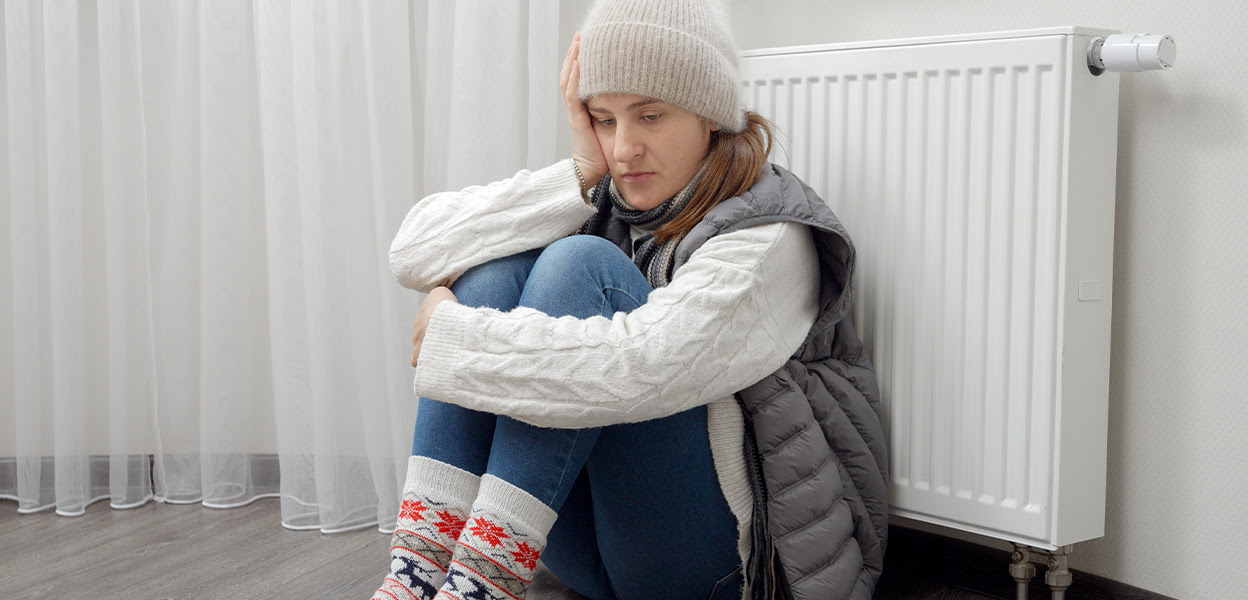
There are several theories for why Seasonal Affective Disorder occurs. One theory is that it’s caused by the underproduction of serotonin during the winter months. Another posits that it’s related to an overproduction of melatonin. For now, though, we don’t know the specific causes or triggers, only associated factors and risks.
Interestingly, while Seasonal Affective Disorder is most commonly associated with winter, some people (possibly more than we know) feel the opposite, and are at their best in winter while experiencing seasonal depression in the summer months.
What Are the Symptoms of Seasonal Affective Disorder?
Broadly, the symptoms of Seasonal Affective Disorder are identical to the symptoms of Major Depressive Disorder, with the key distinguishing factor being that SAD happens on a seasonal basis, most typically in the winter. General symptoms can include:
- Feeling miserable
- Feeling guilty
- Having a low self-esteem
- Feeling hopeless
- Having reduced interest in doing things
- Feeling apathy toward the world
- Increased levels of tension
- Low tolerance for stress
- Extreme changes in mood
- Desire to oversleep
- Fatigue and difficulty staying awake
- Waking early
- Disturbed sleep
- Feeling unable to handle a normal routine
- Overeating, with a craving for carbs and starches
- Weight gain, related to overeating
- General irritability and avoidance of social situations
- Reduced libido and interest in intimacy
A handful of these symptoms are more common in people with SAD than in people with general depression. Specifically, craving carbohydrates, overeating, excessive sleepiness and fatigue, and weight gain are all more common in people with SAD.
Don’t be afraid to seek help! If you’re experiencing the symptoms of depression, especially if you have thoughts of suicide or are unable to maintain a normal lifestyle, call 988 to seek assistance.

Because of this, there are some theories that SAD is an almost hibernation-like behavior, though humans aren’t a species that hibernates. The urge to stock up on nutrients to make it through the winter is common throughout nature, but is maladaptive to our modern year-round society.
People with summer-pattern SAD have slightly different symptoms. These can include insomnia, poor appetite, weight loss, restlessness, anxiety, and aggression. Like winter-pattern SAD, they can be difficult to associate with seasonality.
How Common is Seasonal Affective Disorder in General?
It’s difficult to estimate exactly how many people experience Seasonal Affective Disorder.
For one thing, it’s easy to mistake for generalized depression. Since it’s a depressive disorder, the primary difference is seasonality, and many people with depression already have highs and lows, so it can be tricky to associate it directly with the seasons.
For another, it’s often under-reported. A lot of people expect to experience lows during winter, and may underestimate how much it affects them. They may write it off as “hating winter” or just generally feeling down, or they may minimize their symptoms. Some take to snowbirding down south, where it doesn’t affect them as much, and never realize that SAD was the impetus behind making that decision in the first place.

SAD is heavily dependent on geography, with people further from the equator experiencing it at higher rates than people closer to the equator. This is a big part of why study is focused on sunlight and bodily systems that react to sunlight and daylight hours.
Because of this, it’s hard to give one flat number for how many people experience SAD. Some estimates place it at around a 5% rate for Americans in general. Others place it closer to 2%. A survey in the UK found that around 20% of UK residents experienced winter blues, and around 2% experienced diagnosable SAD.
How Common is Seasonal Affective Disorder in Michigan?
SAD is more common the further you are from the equator. Since Michigan is one of the more northerly states, the prevalence of SAD is higher than the national average here.
One recent survey of residents in every state found that the worst state for SAD was Alaska, which makes sense, as it’s much further north than other states, and more isolated to boot. The prevalence of winter depression was estimated at 15%. This survey only looked for depression and anxiety rather than SAD specifically, however.
Michigan clocks in at #8 on that list, behind Alaska, Oregon, Washington, Idaho, West Virginia, Montana, and Kentucky. Our overall prevalence for winter depression was actually higher, at 19%, but we’re lower on the list because the overall severity was ranked lower. At the same time, other estimates place the prevalence of SAD as high as 40%.
Whatever the surveys say, it’s undeniable that we experience high levels of seasonal depression here in Michigan. Moreover, it affects women at a much higher rate than men, meaning Michigan women are one of the highest risk groups for SAD.
Why is Michigan So Much Worse for Seasonal Affective Disorder?
We discuss this topic in greater detail in another post on the subject: why Michigan winters affect mood patterns.
The northern latitude is a big factor. The further you are from the equator, the shorter the days are during the winter, because of the tilt of the Earth’s axis. Shorter days mean less sunlight, and as a species, we rely on sunlight in many different ways.
- Sunlight triggers the production of serotonin; low serotonin is a potential contributor to SAD.
- Sunlight triggers the synthesis of vitamin D; low vitamin D could be related to SAD.
- Dark environments and cooler temperatures facilitate the production of melatonin; overproduction of melatonin is a possible contributor to SAD.
The Great Lakes are also a factor, which impacts us more than some other northern states. The Great Lakes are large thermal masses, and when the atmospheric temperature drops, the warm water gives off moisture to the dry winter air. That fuels the heavy gray clouds that seem to hang over the state all winter, further making it feel oppressive and cutting back on available sunlight.
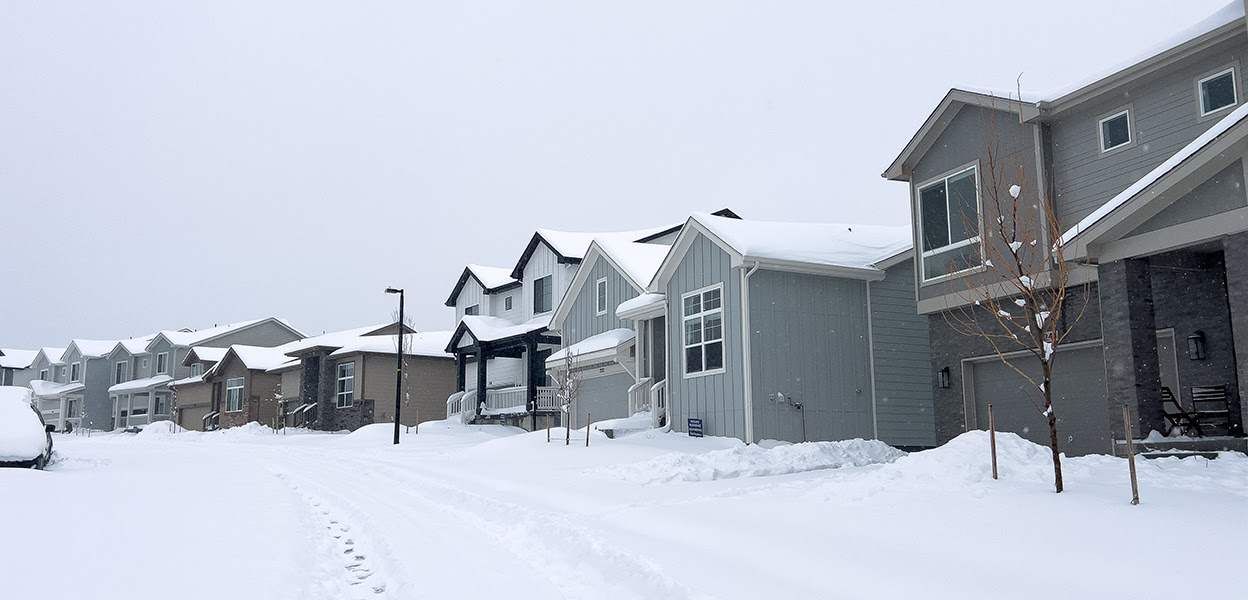
Winter weather, of course, is also not conducive to feeling better. Cold, windy weather, heavy snow, and the dangers of being outside can keep you cooped up at home, further reinforcing the negative patterns of behavior and thoughts that come from (and contribute to) SAD.
While Michigan isn’t the worst place in the world for SAD, it’s up there, particularly in the United States.
What Can You Do to Combat Seasonal Affective Disorder?
Solutions to Seasonal Affective Disorder can be grouped into two categories: lifestyle and home remedies, and professional assistance. Some people can successfully manage their seasonal depression at home, but if you struggle to do so (and depression makes it harder!), don’t be afraid to seek professional assistance.
Lifestyle and Home Tips for Treating Seasonal Affective Disorder
There are a lot of different home remedies for Seasonal Affective Disorder, and they tend to range from mildly helpful to effectively nonsense. A few, though, have been proven to help at least with mild to moderate SAD. The biggest of these is light therapy.
Light therapy involves using a bright, sun-mimicking light box. This box is very bright and makes you feel like you’re basking in sunlight. Using one of these lamps every day, for 20-30 minutes first thing in the morning, can trick your body into thinking the days are longer and adjust the balance of chemicals in your brain.
Picking the right sun lamp and using it effectively can help with SAD, but for some people, that’s all it does: help. For many, it’s not a cure, and they can’t entirely fight off the effects of SAD.
Other tips you can consider include:
Going for regular walks. Fresh air, what sunlight we have, and exercise can help, as long as it’s not dangerous weather outside.
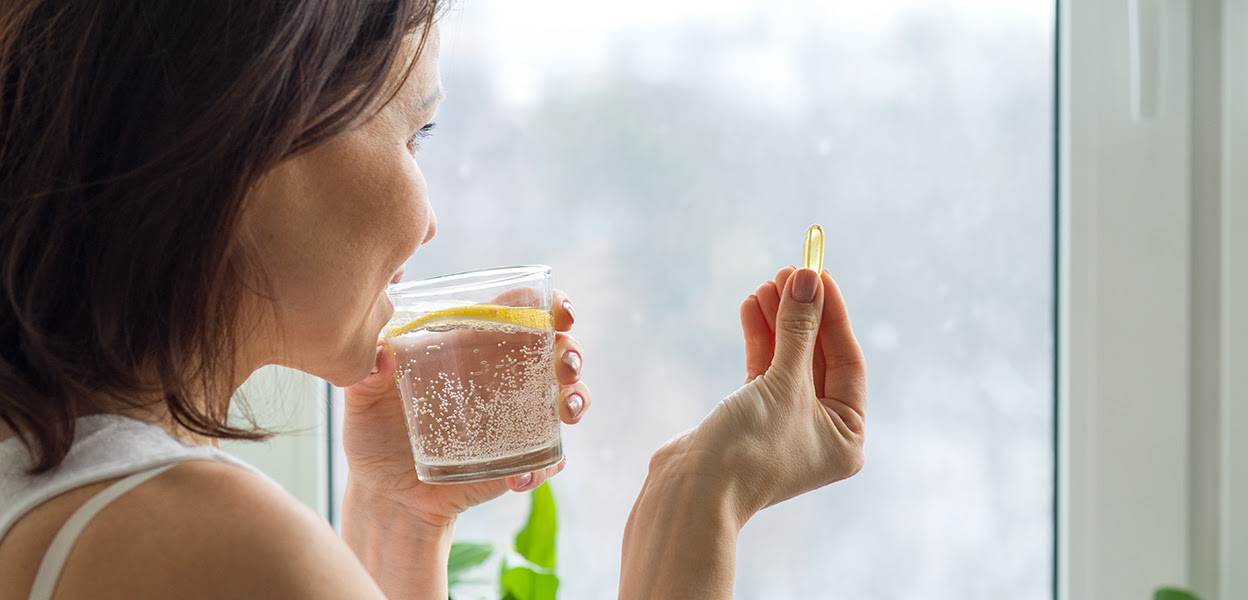
Try vitamin D supplements. Since most of your bodily vitamin D comes from sunlight, you’re naturally going to be lower in winter. However, studies into whether or not vitamin D supplements help with SAD are mixed.
Focus on a healthy diet. SAD typically makes you lean towards unhealthy foods heavy in sugars, carbs, and starches, which in turn act as worse nutrients and make you feel worse, which feeds back into depression symptoms. Eating better can help break that cycle, to a degree.
Don’t shirk social gatherings and interactions. Spending time with friends and family in a welcoming environment helps promote positive mentality and good feelings, which can be a helpful antidote to depression.
Play it safe with sickness. Winter and the holidays are a peak time for respiratory infections like the flu, so don’t be afraid to wear a mask and play it safe to stay healthy.
Again, none of these are likely to cure SAD entirely, but even small assistance can be beneficial, and can compound with other treatments.
Professional Assistance for Seasonal Affective Disorder
With Seasonal Affective Disorder, professional assistance can take two primary forms: psychotherapy and medicine.
Psychotherapy, like cognitive behavioral therapy, is one of the most effective forms of talk therapy for a wide range of mental health disorders. Here in Detroit, you can access many different peer support groups, therapists, and psychologists to help. With effective therapy, you can be armed with coping strategies and mechanisms to pull out of depression and return to normalcy, even in the depths of winter.
Interestingly, while EMDR is largely known for being effective for trauma and PTSD, evidence suggests it can be effective for major depressive disorder and for Seasonal Affective Disorder, as they are closely related. It may be worth exploring as well, especially if more traditional CBT or DBT hasn’t worked for you.

Medication is also available for those who have need for more than what talk alone can provide. SSRIs and similar antidepressant medications are commonly prescribed in low doses for Seasonal Affective Disorder. They tend to work best when you start taking them in the fall, before your symptoms kick in, and manage them throughout the year.
Here at BMC-Troy, we offer all of these as clinical services in our office in Troy. Whether you have been diagnosed with SAD and want to adjust your treatment, or you’re seeking a new diagnosis, you can reach out and contact us for a discussion of your needs and what we can offer. We’re also fully able to help manage your medications, to adjust doses for the season and otherwise help smooth out your experience.
To get started, simply give our offices a call or fill out our new patient intake form so we can contact you. Together, we can help put you back on track and help you live life the way you want to, winter or summer.