

Depression is pernicious. It’s a constant suppressive modifier on everything in your life, draining enjoyment from activities and relationships, overriding thoughts with feelings of inadequacy and unworthiness, and so much more. It deserves to be taken seriously. You deserve to be taken seriously. Seeking treatment for depression is the first step to a happier life.
While there are a range of different treatment options available, one common avenue you can pursue here in the Detroit area is a support group. The question is, is joining a support group the right choice for you, and if so, what options are available in Metro Detroit?
DISCLAIMER: This article is for informational and educational purposes only and should not be considered medical or psychological advice. The information presented here is not intended to diagnose, treat, cure, or prevent any mental health condition or replace professional therapeutic care. Every individual's experience with trauma and mental health is unique. Please consult with a qualified mental health professional, therapist, or healthcare provider to determine the most appropriate treatment approach for your specific situation. If you are experiencing a mental health crisis or emergency, please contact your local emergency services or crisis hotline immediately.
How Adult Support Groups for Depression Work
Generally speaking, a support group is a peer group of individuals with a commonality, like depression, meeting on a regular basis to discuss and support one another. Beyond that, there can be a lot of differences between groups.
Leadership. Support groups can be peer-led, which means a regular person and member of the group leads discussion. The leader for these kinds of groups may have some training or may have undergone certification to lead a group, or they might just be an experienced member of the group who has been part of it for many years and knows how it all works.
Alternatively, a support group can be therapist-led. In these cases, a trained and licensed therapist will guide the group through discussions and can help with recommending treatments, providing resources, and working through coping mechanisms to address negative thought patterns.
Sometimes, a trained professional who is not a therapist leads the support group. This could be a certified nurse, a social worker, or a specialist of another sort, like a grief counselor or an experienced caregiver.

Sponsorship. Some support groups are affiliated with a local or national organization. Some are organized by local churches or hospital networks. Others are organized or sponsored by national organizations like NAMI or DBSA. Some have no sponsorship at all and are informally run. The organization sponsoring the group usually has a framework for discussions, paperwork and “homework” based on proven therapy principles, and other resources accessible to members of the group.
Costs. Some support groups have nominal fees to join, as a way to support the group and provide resources to assist members. Other support groups are entirely free. Most of the time, support groups are the cheapest way to get started with some kind of therapy, as you explore additional support options and determine if you need something more.
Presentation. Most support groups are in-person meetings, since it’s the best way to get social interaction and engagement with the group. Some do provide telephone or video conferencing options, particularly as a holdover from pandemic lockdowns.
All of this is in contrast to group therapy. Group therapy also brings together people with similar challenges to provide support and therapy to members of the group. But group therapy starts with a therapist and is more focused on treatment rather than social support. Group therapy also tends to be more expensive, though insurance will frequently cover sessions.
12-step groups like Alcoholics Anonymous are one form of support group, but not all support groups follow the 12-step program outline.
The Benefits of Depression Support Groups
Support groups offer a wide range of benefits, which is why they’re so popular and commonplace throughout the country.
They’re very low-cost or entirely free to join and attend. Most support groups are free to join, and the ones that have a membership will be very low cost. The point of support groups is to be accessible to anyone who needs them, when more traditional avenues of therapy, medication, and treatment can be much costlier.
They’re led by people who have experience and can help. Even the support groups run by your peers will have people who have gone through the same thing you are, and can empathize, provide feedback on what worked and what didn’t for them, and help guide you through the tunnel to the light at the other end.
They can help you build coping mechanisms to handle daily bouts of depression. Support groups may range from experienced peers to trained therapists, but they can all help provide coping strategies that actually work, with your fellow peers standing as examples of that success.
Being able to share your story with a compassionate audience can be cathartic. Even just being able to talk about your struggles in an environment you know won’t be judgmental can be helpful. Knowing you aren’t alone, that you aren’t going through the struggle on your own, and that help is available can be a powerful source of support on its own.

There are no obligations. If you find that you don’t click with the members of the group, you don’t like how the group is run, or the group doesn’t meet your needs in some way, you’re not locked in. Other than any possible minor entry fee (which may not be required for a first visit) and the time spent on a visit, you lose nothing by attending.
Beyond that, even if you choose to continue attending a group, you’re not obligated to share your own story unless you feel comfortable doing so.
They can foster feelings of empowerment and hope. Support groups are generally quite good at supporting their members and helping them feel empowered to take action. Attending and working with a support group helps you take control over your illness and find ways to move past it and heal.
They can help with accountability and long-term management of depression. Depression usually responds to treatment, but it’s not necessarily something that can be cured, only managed for the long haul. Regular attendance of a support group can also be a form of accountability, where you can report on the steps you’ve taken and their effects, or your setbacks and struggles, in a judgment-free environment.
They can be a starting point to seek other resources and treatment options. Many support groups are great resources to take more steps into other kinds of treatment. They can help you identify when you need more than peer support, when you might need medication (and how to go about getting it), and what local resources are available to help.
The Drawbacks of Depression Support Groups
Despite their many benefits, support groups also have their drawbacks.
They may not provide the level of support you need. Support groups are generally aimed at relatively minor to moderate cases of mental illness, or severe illness that is controlled through other therapy and medication. They aren’t equipped to deal with immediate crisis, severe and untreated illness, or mental health conditions outside of their purview. You may need more than what a support group alone provides.
If you’re experiencing a crisis, don’t hesitate to call 988. As an emergency services number, 988 connects you to the Michigan Crisis and Access Line, where trained specialists will answer and help you get the assistance you need.
They may have angles or methods you don’t agree with. A big example is the 12-step programs mentioned above. Many of these programs are founded in a religious practice, or at least a spirituality, which some people find challenging. Others may simply have a culture that doesn’t quite fit with your own. You may have to “shop around” for a support group where you feel at home.
They may be poorly run or moderated, or have disruptive members. One downside to support groups being low-barrier, peer-led groups is that they aren’t always well-run. Sometimes, groups end up led by people who don’t really know what they’re doing, or dominated by members who are difficult to control, which can make the experience unpleasant for everyone else. This tends to be less common with groups run by licensed therapists and healthcare professionals, but it can still happen.

They may perpetuate misinformation or inaccurate medical advice. Again, due to the lack of licensing requirements, it’s possible that misinformation related to health and mental illness can be spread through these groups. This is also less likely when a trained professional is at the helm, but it can still happen regardless. It’s always good to verify information you’re given, just in case.
They can be difficult to participate in if you have severe anxiety. While a support group is ideally a welcoming group of people who have gone through what you’re experiencing, they can still be intimidating, and it can be difficult to bring yourself to speak up and share your deep, dark secrets. Fortunately, because you’re not obligated to do so, you can passively gain knowledge through listening and contribute when you feel more comfortable.
They don’t necessarily have confidentiality. While most support groups expect and potentially require confidentiality with the things shared at the group, there’s no legal framework to enforce it.
Despite these drawbacks, attending a support group can still be a great idea for many individuals with depression.
Four Adult-Focused Depression Support Groups in Metro Detroit
If you believe that a support group is right for you, what are some options you can explore? Metro Detroit has many support groups available, and the list can change from time to time, but we’ve listed four that can be worth exploring, and can potentially connect you with other support if you need it.
The Depression and Bipolar Support Alliance of Metro Detroit
The DBSA is a national nonprofit sponsoring support groups for depression and bipolar disorder across the country. The local Detroit chapter primarily hosts their meetings via video using Zoom, though they have the occasional in-person meeting now.
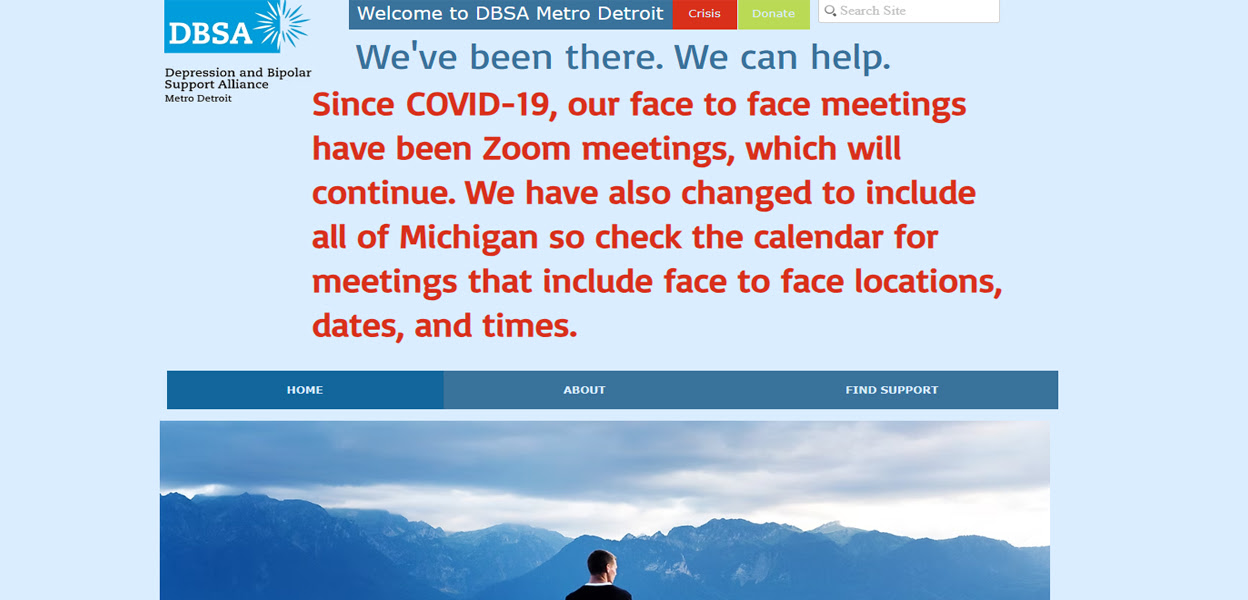
Meetings are generally held on Mondays and Wednesdays, with some Thursdays also hosting a few. You can learn more on their website and check their calendar for the next meeting you can join.
Emotions Anonymous
Emotions Anonymous is a 12-step program based on the successful structure initially developed for Alcoholics Anonymous, but aimed at emotional and mental health and illness instead of substance use.
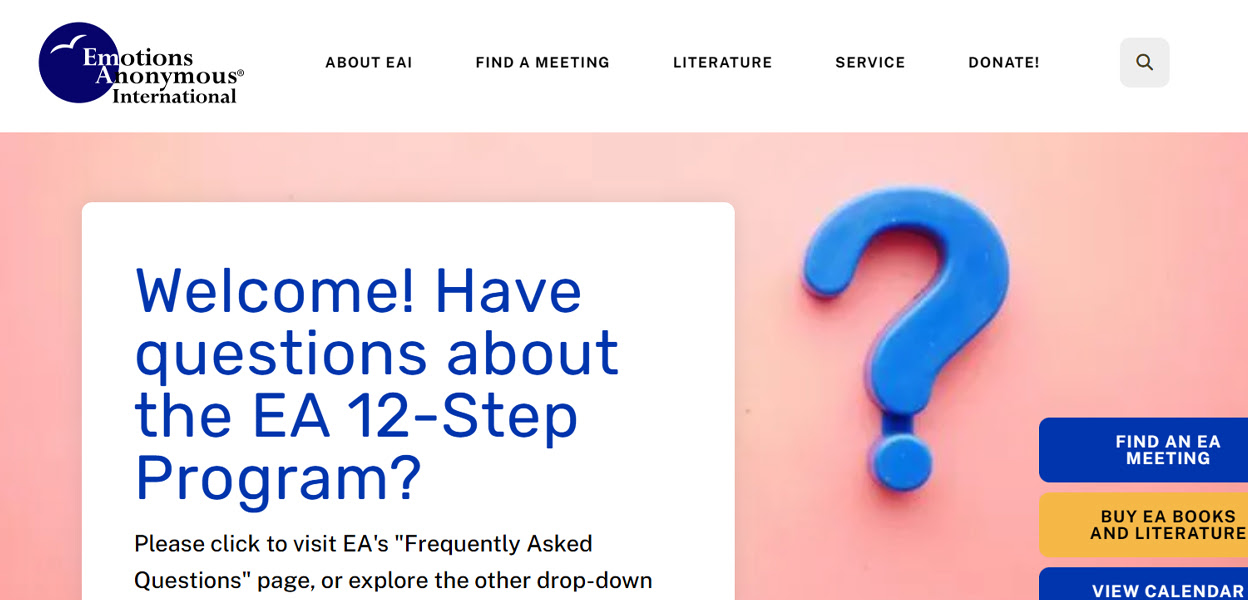
You can use their search tool to find meetings near you. The closest to Metro Detroit is in Roseville, an in-person meeting that meets Saturdays at 3:30 pm at the Live Rite Recovery Resource Center on Gratiot Avenue.
The Anxiety & Depression Association of America
As another national nonprofit organization, the ADAA provides assistance for anxiety and depression disorders through a comprehensive set of treatment options and a network of providers.
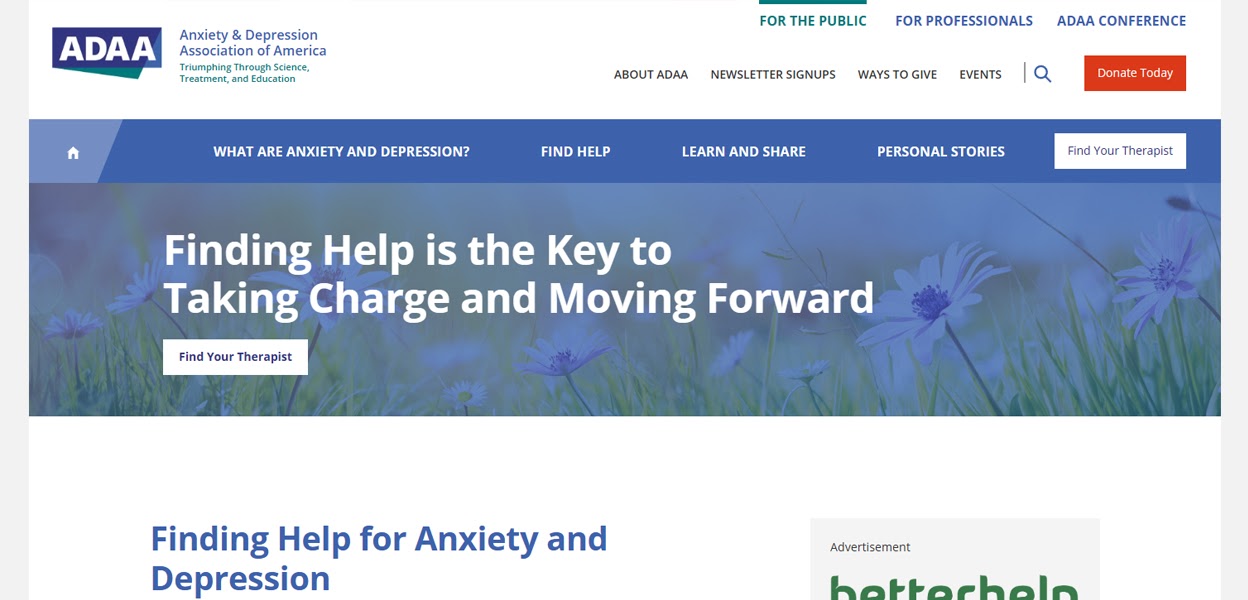
In addition to large online support communities and virtual support groups, they can also help connect you with ADAA-affiliated therapists in the Detroit area.
Women’s Empowerment and Support Group
This group meets at Growing Well on Outer Drive West on Friday nights at 6 pm. The group is led by a professional social worker and centers on anxiety, depression, and women’s issues specifically.
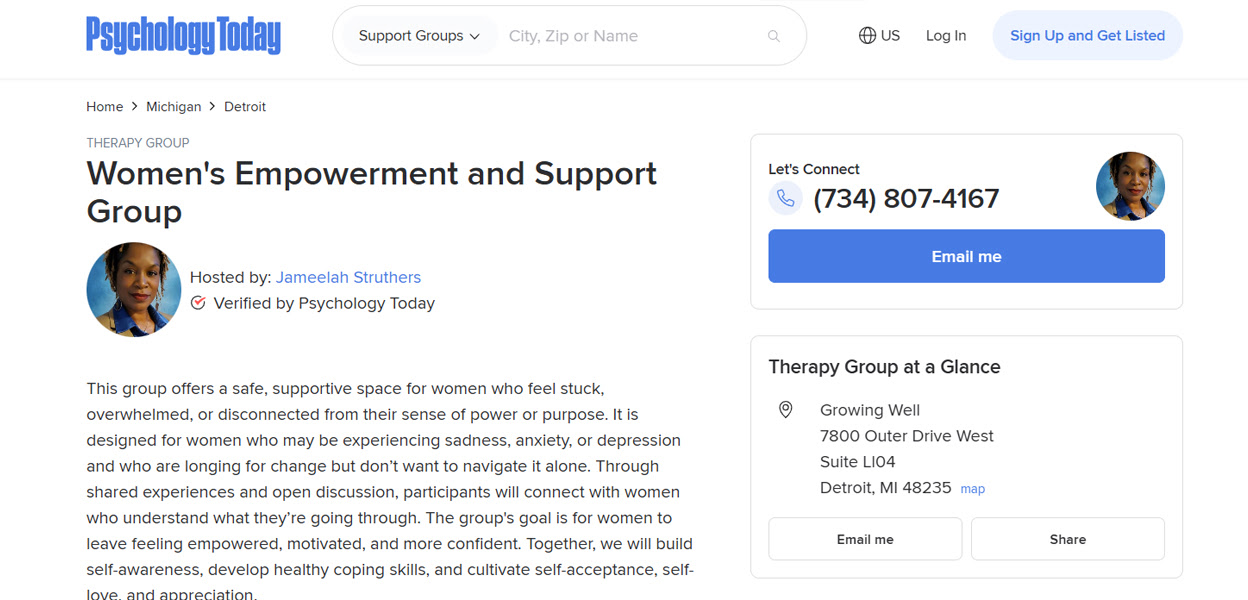
It’s a safe space specifically for women who face these challenges and want support in an environment not dominated by men.
Other Support Group Options
The four above are just a selection of the support groups available. Many support groups are limited in who can attend, such as support groups for veterans or support groups for teens. There are also support groups for specific kinds of depression, such as post-partum depression and grief & loss.
While a support group might not be enough to help you through your issues on its own, they can be a great way to have ongoing support while you seek additional treatment.
Here at BMC-Troy, we’re happy to offer our services to metro Detroit in conjunction with these and other support groups. If you’re struggling with depression, anxiety, PTSD, substance use, or a combination of those and more, we can help.
While we currently don’t offer any support groups, we may in the future. In the meantime, we do offer CBT, DBT, EMDR, and a range of other therapies for individuals and families. We can also help with assessments, medication management, and other services that may be necessary for ongoing treatment.
To get started, you can fill out our new patient intake form or call our office to discuss our services and find the path that’s right for you. Even if that’s not with us, we can point you in the right direction, and we’re happy to help.