
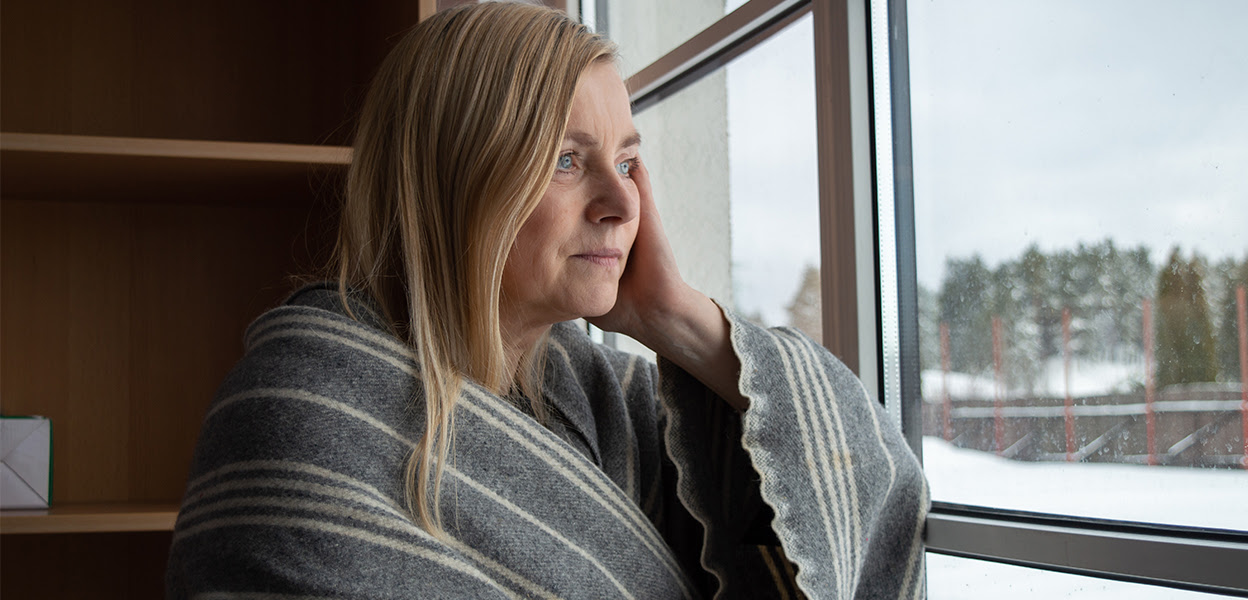
We’re all affected by the changing seasons in some way or another, no matter where we live. Living further to the north away from the equator, though, tends to put a certain kind of pressure on us all, a downward trend in mood that can lead to a spiral. Whether it’s worsening depression, seasonal affective disorder, or compounding stress and anxiety surrounding the holidays, there’s a lot going on.
Fortunately, even though the days are shorter and the skies are gray, there’s plenty you can do to resist seasonal depression. We’ll start with home remedies and activities that can help, and build up to support groups and therapy options you might consider if the season is really getting you down.
Before we begin, the usual statement applies: if you’re experiencing a crisis, don’t hesitate to call 988. The crisis line is available 24/7 and is completely confidential and anonymous. It’s there to help you, so make use of it.
DISCLAIMER: This article is for informational and educational purposes only and should not be considered medical or psychological advice. The information presented here is not intended to diagnose, treat, cure, or prevent any mental health condition or replace professional therapeutic care. Every individual's experience with trauma and mental health is unique. Please consult with a qualified mental health professional, therapist, or healthcare provider to determine the most appropriate treatment approach for your specific situation. If you are experiencing a mental health crisis or emergency, please contact your local emergency services or crisis hotline immediately.
Why the Season Gets You Down
First of all, it can be helpful to understand that seasonal depression and seasonal affective disorder are not personal failings, nor are they all in your head. Changes to the amount of daylight you experience, decreases to average temperatures, reduced activity levels and being stuck inside, all of these can contribute to feeling down.
More importantly, there are physiological impacts here, from changes to serotonin production to differences in melatonin production, as well as disruptions to the circadian rhythm we experience.
So, sure, in a way, this is “all in your head”, but your head is a part of you.
There are some other factors at play as well.
- Being stuck inside a lot tends to mean you have a reduction in air quality, more dust circulating, and possibly increased levels of carbon dioxide or even carbon monoxide that can cause problems.
- Reduced physical activity can lead to changes in biological and physiological function that impact cognition; the less active you are, the easier it is for your mood to drop and depression to set in. This can be especially prominent if you’re typically active and feel locked in or closed up due to the weather.
- Cold weather tends to cause or exacerbate certain stressful situations in life; everything from a furnace failing to car trouble to making your commute more stressful. All of this adds up.
- Spending more time cooped up in enclosed spaces tends to increase the spread of colds, flus, and COVID, leading to physical ailments alongside mood issues.
- The social atmosphere surrounding the holidays is often stressful, with family problems, reduced socialization with friends as they do their own family obligations, and even amplified feelings of grief at past losses.
In other words, there’s a lot going on, and it’s not something you can typically solve as easily as taking some vitamin D supplements and calling it a day. But, it can be helpful to recognize that there are very real reasons why you feel the way you do, that those feelings can be valid, and that they can be examined and addressed.
What Are the Symptoms of Seasonal Depression?
Seasonal depression and seasonal affective disorder are considered major depressive disorders. They are also most typically associated with winter, but they aren’t necessarily just for the cold months. Many people experience summer-type seasonal depression, with all the same symptoms, just in the summer instead of the winter.
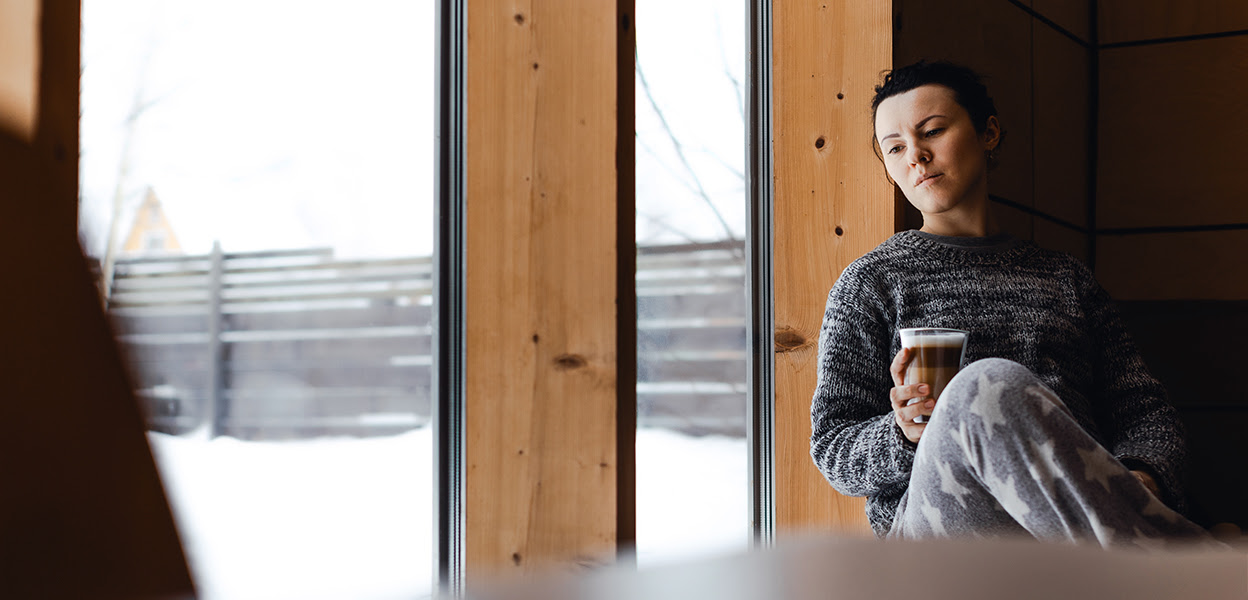
It can also be natural to feel down or like you have the “winter blues” in winter without reaching the point of being full depression. “Winter blues” are minor, and you’re generally still able to function normally, just with a suppressed mood. SAD, meanwhile, has more characteristics of depression.
- Persistent sadness, anxiety, or emptiness for most or all of the day, most days of the week, for at least two weeks.
- Persistent feelings of hopelessness and pessimism.
- Irritability, frustration, and restlessness; a “cabin fever” in the winter.
- Feelings of helplessness and guilt.
- Low energy levels, fatigue, and feeling slowed down.
- Difficulty in concentrating, making decisions, or remembering things.
- Changes to sleep and appetite, including unplanned weight changes.
SAD is also often characterized with overeating, oversleeping, and social withdrawal, alongside feeling like you’re hibernating through the season.
Severe levels of depression can also include thoughts of death or suicide, and suicide attempts. These definitely constitute an emergency, and you should call 988 if you’ve reached that point.
Tips and Home Remedies to Fight Seasonal Depression
Home remedies for seasonal depression often center around things like positive thinking, going on walks, and taking supplements. While these things can help in small ways, they probably aren’t going to completely solve your problems. If they help, great! If they don’t do as much as you’d like, though, there’s no shame in seeking treatment as well.
Try to go on a walk every day. Breathing in some fresh air, even if it’s a cold winter day in Detroit, is still a benefit. If it happens to be a sunny day (yes, a rarity with the Michigan permacloud that settles in for most of the winter, but it can still happen), the sunlight can also be very beneficial to your mood. It doesn’t need to be a long walk; just 10-15 minutes is plenty.
Obviously, don’t force yourself to go on a walk if it’s a dangerous wind chill or otherwise potentially physically harmful to go outside. Fortunately, days like that are rare.

Add a source of vitamin D to your diet. Vitamin D is essential for many bodily processes, especially in some surrounding mood and mental acuity. Low vitamin D levels are associated with depression and mood disorders, among other things. Typically, most of your vitamin D comes from UV exposure from sunlight, which is in short supply in a Michigan winter.
You can get some vitamin D through dietary sources, including fatty fish, eggs, and cheese. Fortified foods like milk and cereal also help. It’s also possible to take vitamin D supplements, though you should talk to your doctor or a nutritionist first.
The evidence supporting vitamin D as a treatment option for seasonal depression is mixed. Some studies have shown improvements, while others have not. On the other hand, a normal supplemental amount of vitamin D is unlikely to be harmful, and only excessive amounts cause problems.
Consider picking up a sun lamp. Sun lamps use special lights that include wavelengths that mimic the sun’s effects, and can have a surprisingly beneficial effect on your mood. The trick is, you need to get the right kind of sun lamp, and you have to use it the right way.
- Look for a lamp with at least 10,000 lux, without producing UV light.
- Make sure to get a lamp designed for seasonal affected disorder, and not one aimed at skin disorders.
- Use the lamp for 20-30 minutes per day.
- Use the lamp within the first hour of waking up each day.
- Keep the lamp relatively close (16-24 inches from your face) as directed by the manufacturer.
- Keep your eyes open normally, but don’t stare directly at the lamp.
Mayo Clinic has more information on picking and using a sun lamp here.
Make and keep social plans as much as you can. When seasonal depression kicks in, it’s tempting to cancel plans and stay in. But doing so can perpetuate the same factors that trigger seasonal depression in the first place. If you can force yourself to attend social activities, it can be good for your overall mood.
What to Avoid when Treating Seasonal Depression
While some home remedies can be effective, others can do more harm than good.
A big one is making use of tanning beds. The concept is similar to a sun lamp (using light to increase vitamin D production and balance circadian rhythms), but tanning beds are heavy on the UV, which can cause skin damage long-term. Sun lamps are explicitly made to minimize UV production and provide only light and warmth.
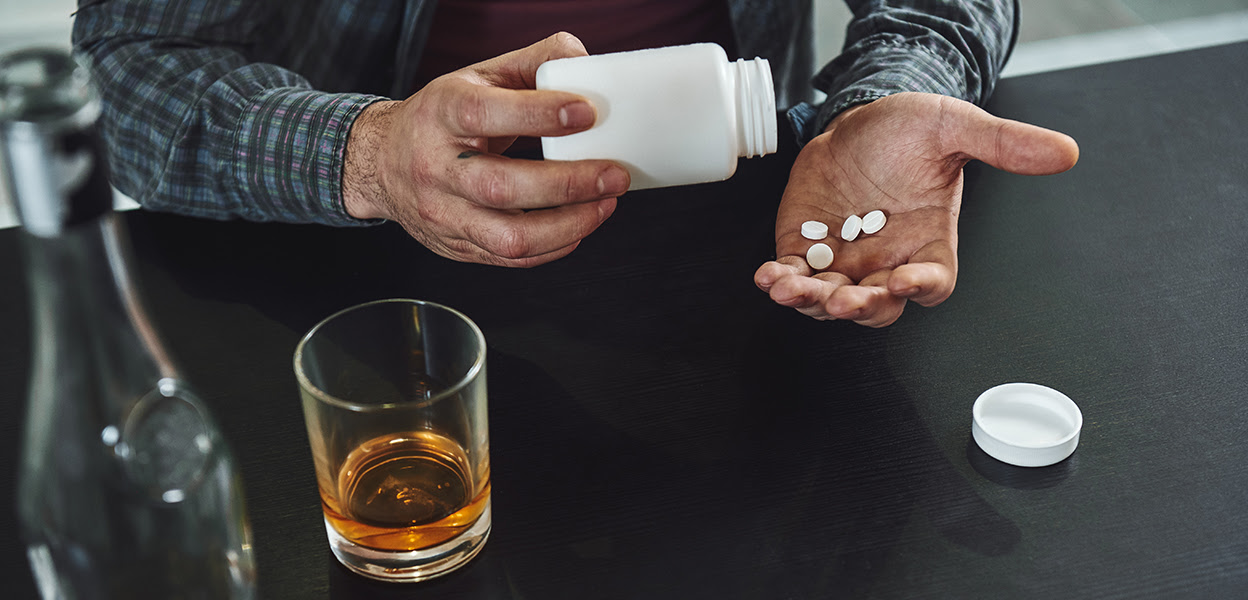
Self-medication with drugs and alcohol is also best avoided. While you can mask your feelings temporarily, substance use is a problem in itself and is likely to do more harm than good. If you are already using substances, therapy can also help with that.
Another common coping strategy is the use of comfort foods, which are typically heavy on carbs, sugar, and fats, which can throw off your gut biome and further cause problems with your biochemistry. Yes, it’s hard to maintain a healthy diet through the holidays, but even small adjustments can have a profound effect.
And, of course, don’t be afraid to seek professional help. It’s not a personal failing to suffer from seasonal affective disorder and seasonal depression, and you’re certainly not alone in your feelings. Help is available if you choose to seek it out. That’s why we’re here.
Taking Steps to Address Seasonal Depression Professionally
If adjusting your lifestyle doesn’t seem to help, and you still experience the symptoms of seasonal affected disorder, it’s likely a good idea to talk to professionals. You have a few options.
The first option is to seek out a local peer support group. Detroit has quite a few free support groups available, and many of them see an uptick in attendance and interest due to the season, so they’ll have meetings scheduled. We have a whole guide on finding and attending support groups in Metro Detroit for you to reference.

You can also seek out a professional for talk therapy. Talk therapies like Cognitive Behavioral Therapy can be very effective for depression, including seasonal depression. It can also be beneficial to receive an official diagnosis from a professional, which can open up additional treatment options, working with insurance providers, and even FMLA if necessary.
Question: If SAD is seasonal, and you can make it through, do you really need therapy?
Answer: It’s likely not a bad idea. Seasonal depression can still put a significant damper on your ability to function during the winter, and even if you can make it through the winter, you deserve to be able to thrive, not just survive. Professional therapy can equip you with coping strategies and the tools you need to push back against depression.
Here at BMC-Troy, we offer several kinds of therapy that can be helpful when you’re experiencing seasonal depression. When you meet with our providers, they will work with you to determine the right course of action, whether that’s individual or group therapy, CBT or DBT, another therapy, or something else entirely.
Just because you seek out professional help doesn’t necessarily mean you’ll be put on medications, but also, if medication is called for, one of our prescribers can help you find what’s right for you. SSRIs, antidepressants, and similar medications are all commonly prescribed for seasonal depression. They may be used as needed, for the season, or for year-round depression, depending on your specific circumstances.
Medications can also be used as a preventative measure; by taking them on an ongoing basis, or by starting them in the fall, you can avoid the onset of depression symptoms with the season, rather than waiting until they occur to treat them. This can be very beneficial, especially if your depression is severe.
If you’re interested in seeking professional help with seasonal depression, we’re here to help in the Detroit area. At BMC-Troy, our office is open, and we’re accepting new patients; all you need to do is give us a call at (248) 528-9000 or visit our office at 1639 Big Beaver Road, Suite 201, in Troy. You can also save time by filling out our new patient intake form directly from our website here.
You aren’t alone, and you don’t need to “just deal with it” through the winter season. Simply talking to a professional can help put your needs into perspective, guide you on the right path towards treatment, and help you overcome seasonal depression. We’re happy to help, so reach out to us today.