
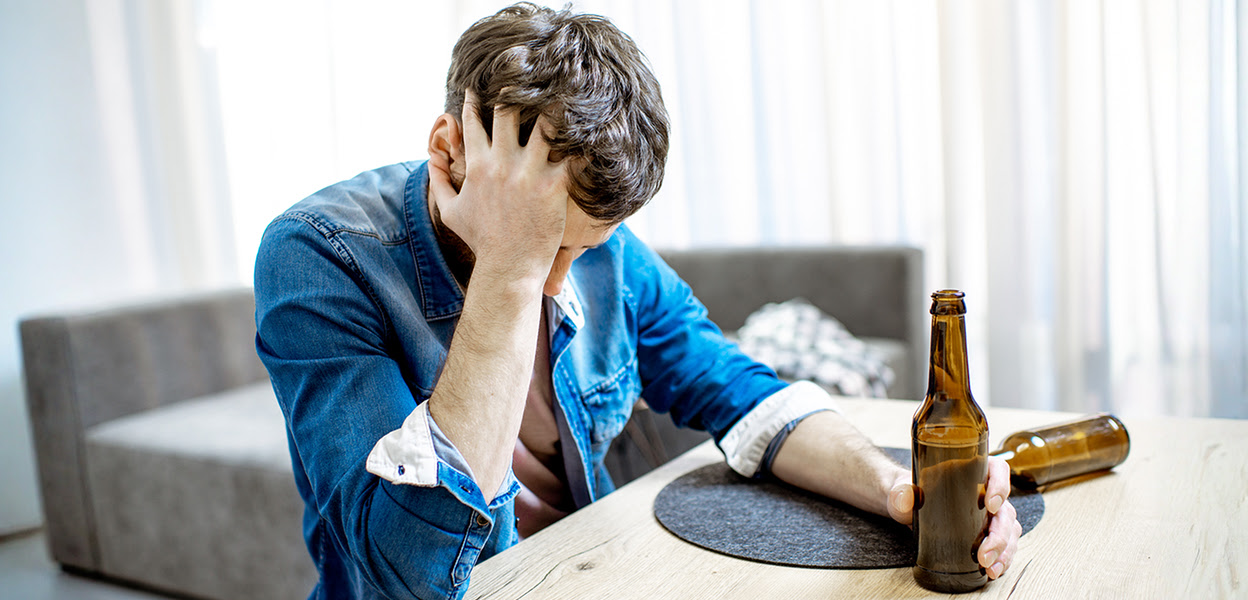
It’s an all-too-common story: struggling with anxiety, depression, or another mental illness, you turn to substance use. Whether it’s calming the nerves, shutting up that voice in the head, or just distracting yourself from the world around you, substances like alcohol are a common form of self-medication.
Unfortunately, these substances wear off as your body processes them, and you’re right back where you started. Except for many people, now you feel worse.
In the case of anxiety and alcohol, the resulting combination is often called “hangxiety,” a combination of returning anxiety and a hangover that leaves you feeling miserable. For many people, that just drives them back to the bottle, and the cycle starts over.
They don’t call it a “vicious” cycle for no reason, do they?
Does alcohol (and a hangover) make anxiety worse, or is it just your perception? Are there other dangerous symptoms to contend with? And, most importantly: how can you break this cycle?
DISCLAIMER: This article is for informational and educational purposes only and should not be considered medical or psychological advice. The information presented here is not intended to diagnose, treat, cure, or prevent any mental health condition or replace professional therapeutic care. Every individual's experience with trauma and mental health is unique. Please consult with a qualified mental health professional, therapist, or healthcare provider to determine the most appropriate treatment approach for your specific situation. If you are experiencing a mental health crisis or emergency, please contact your local emergency services or crisis hotline immediately.
How Does Alcohol Affect the Body and Mind?
One of the most common psychological effects of alcohol consumption is what scientists call “stress response dampening.” It’s common enough that even children who haven’t even touched alcohol before have a social understanding that alcohol can be a coping mechanism.
That’s not to say that alcohol use is good for this purpose. Drinkers who use alcohol to deaden stress and reduce the symptoms of anxiety are dramatically more likely to drink more and more, larger quantities and more often.
Moreover, when people pull themselves out of this cycle, times of stress frequently become an inroad back to alcohol abuse. It ends up as a persistent and dangerous risk.
How does all of this work? Well, it comes back to the biochemistry of the brain and the impact alcohol has on your body.
Alcohol, when it enters your system, quickly takes action. Among other things, it increases your body’s production of certain neurotransmitters, like serotonin and dopamine. This is responsible for feelings of sociability, relaxation, and calm.
At the same time, alcohol is a neurotoxin. It’s a chemical that, when it interacts with the brain and the nervous system, can suppress, damage, or kill parts of that system. While some of that damage can recover upon quitting alcohol, some may not, especially in cases of long-term excessive drinking.
Alongside the neurotransmitter effects and toxicity, alcohol influences the body in a number of different ways. It suppresses the frontal lobe of the brain, which is responsible for decision-making and bodily control, which is why being drunk makes you stumble and take risks. It affects balance by hindering the cerebellum, which is responsible for balance and coordination. It can cause headaches through dilating blood vessels and through dehydration. It also hinders the hippocampus, damaging memory formation.
Some of these effects also hinder melatonin production, negatively affecting sleep. You’ll feel drowsy and possibly even pass out, but it won’t be restful sleep because your body is working overtime.
Despite the brief high and good feelings, alcohol is a chemical depressant. When those initial pleasant effects fade, you’re left feeling worse off than when you started.
How Does Alcohol Affect Anxiety?
The initial time after drinking alcohol, anxiety symptoms feel like they lessen or go away entirely. This is largely due to the increase in production of dopamine and serotonin, neurotransmitters that make you feel good. But these neurotransmitters are short-lived, and that surge in production leaves you lacking in them afterwards.
When alcohol starts leaving your system is when the problems crop up. Because it’s a toxin, your body stimulates other chemicals to fight it, particularly cortisol. Cortisol is the stress hormone, and is responsible for a lot of feelings of stress, fight-or-flight, restlessness, and anxiety. Stressful situations trigger cortisol to be released, and that triggers more stress and anxiety.
People who don’t normally experience anxiety can feel it when they’re recovering from drinking. People who normally experience anxiety, both with general anxiety disorder and with post-traumatic stress disorder, can find that they feel it all the more acutely when they’re coming down off the alcohol high.
The worst part is, it’s not a gradual transition. People who drink with anxiety often notice a sudden, jarring return of those anxious feelings, which may have only been deadened for hours or less, leading to further drinking.
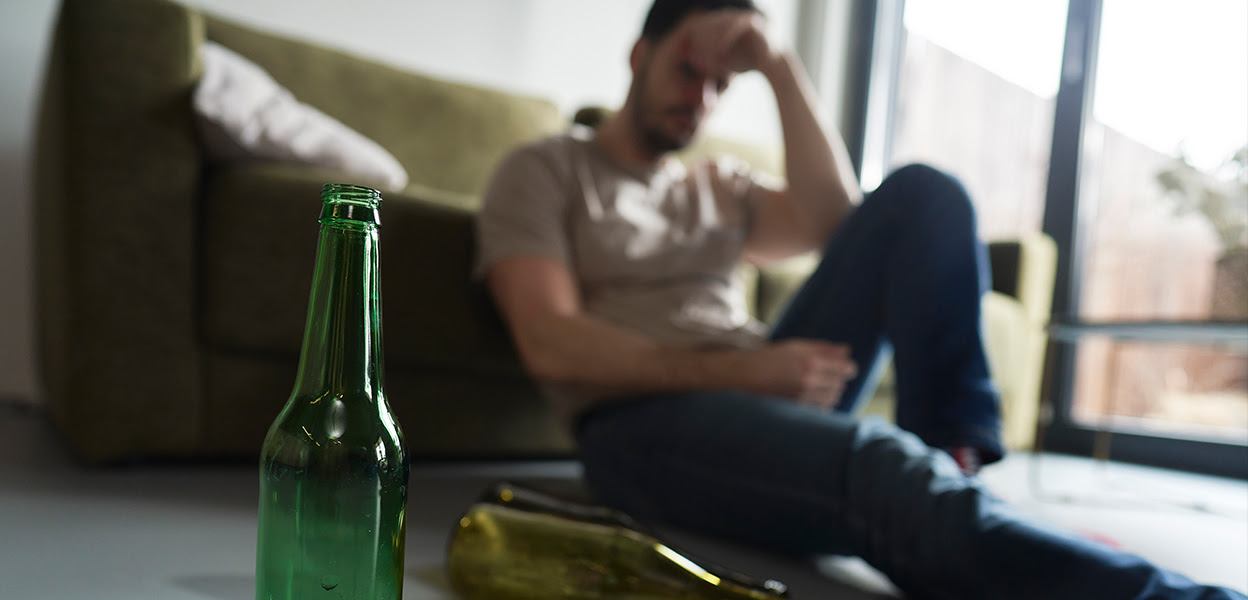
At the same time, other bodily systems are firing. Your heart is working overtime to pump blood through your body, trying to process and get rid of the alcohol as fast as possible. The liver, your natural detox organ, is put under a lot of stress trying to filter it all out. Your heart rate rises, you might sweat (as another way to get the toxin out of your body), and your liver can even be damaged.
This is also when social consequences can kick in. If you had relatively little to drink, you may remember what you said and did, and it can leave you feeling embarrassed, anxious, or trepidatious as you try to navigate the consequences of your inhibition. If you drank enough to not be able to form memories (a threshold that is different for different people), you may have anxiety wondering what you did.
So, you have three factors all contributing to feeling like you have worse anxiety.
- Your anxiety is back, which you may focus on more because of the reason you were drinking in the first place.
- Your body’s cortisol has spiked, which triggers more feelings of anxiety.
- You may have social worries or additional triggers for your anxiety.
All of this compounds, and worse, you remember the fact that you didn’t feel that bad when you first had that drink. It’s a powerful, addictive feeling that leaves you wanting more, and more, and more.
The more you drink, the worse it gets. The more you drink, the stronger the rebound anxiety, and the more you need to drink to quiet it down. Until, eventually, something breaks. The alcohol stops working, or your liver starts to fail, or your brain starts to be damaged, or you do something (or something happens to you) that causes injury. At the end of the road, it can even lead to death.
Answering Some Common Questions about Alcohol and Anxiety
Here, we’d like to clear up a few points of misinformation and confusion we often encounter.
First of all, alcohol on its own does not cause an anxiety disorder out of nowhere. People who don’t have anxiety or PTSD aren’t going to develop one just because they had something to drink. But many people have anxiety and don’t realize they do, and only when they drink do they realize the difference, both before and after. That’s why it can feel, for many people, like the alcohol caused something.
Alcohol can also alter brain chemistry, which can make an underlying potential anxiety disorder start to become more prominent. Often, people who have a family history of anxiety find that their own anxiety is triggered or gets worse when they drink.
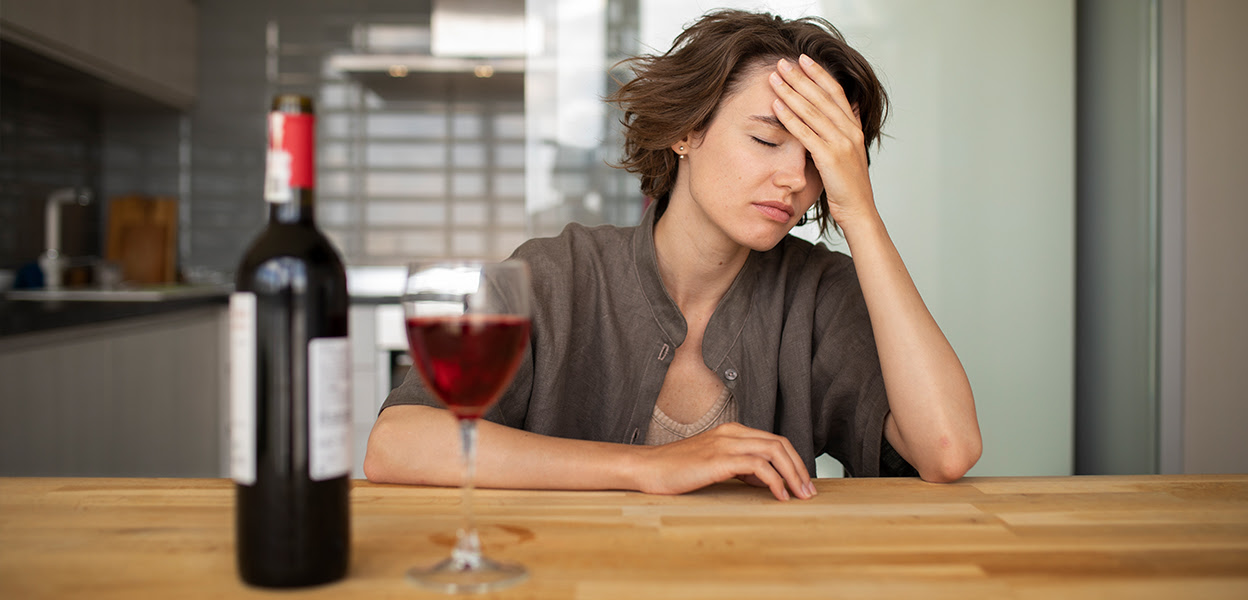
Is it all in your head? Well, yes, but also no. Inasmuch as anxiety is a mental illness, and the triggering of anxiety by alcohol is a neurochemical issue, it’s technically, physically, in your head. But, no, physiologically, alcohol is having widespread systemic effects on your body. Anxiety feeling worse after a drink isn’t just perception; it likely really is worse.
There is more to all of it as well. Increased dependence on alcohol causes a whole host of negative physical effects. Weight is gained because alcoholic beverages are high in calories and reduce physical activity and stamina. Overall bodily health and resilience against toxins and illnesses drop. Alcohol consumes or damages vitamins and leaves you lacking in nutrients. And all of that is before any possible injuries or damage caused by external sources while intoxicated.
It’s Not Your Fault
An unfortunate reality about our modern society is that substance use is often seen as a personal or moral failing. Quitting is discussed as if it’s nothing more than a matter of willpower, that if you relapse, it’s because you “didn’t want it bad enough.”
The reality is, untreated anxiety disorders can have a devastating effect on your thought processes, and alcohol has a tangible, if temporary, beneficial effect on those symptoms. Alcohol is also highly addictive for exactly the same reasons. It’s not a personal failing to be addicted to a substance.
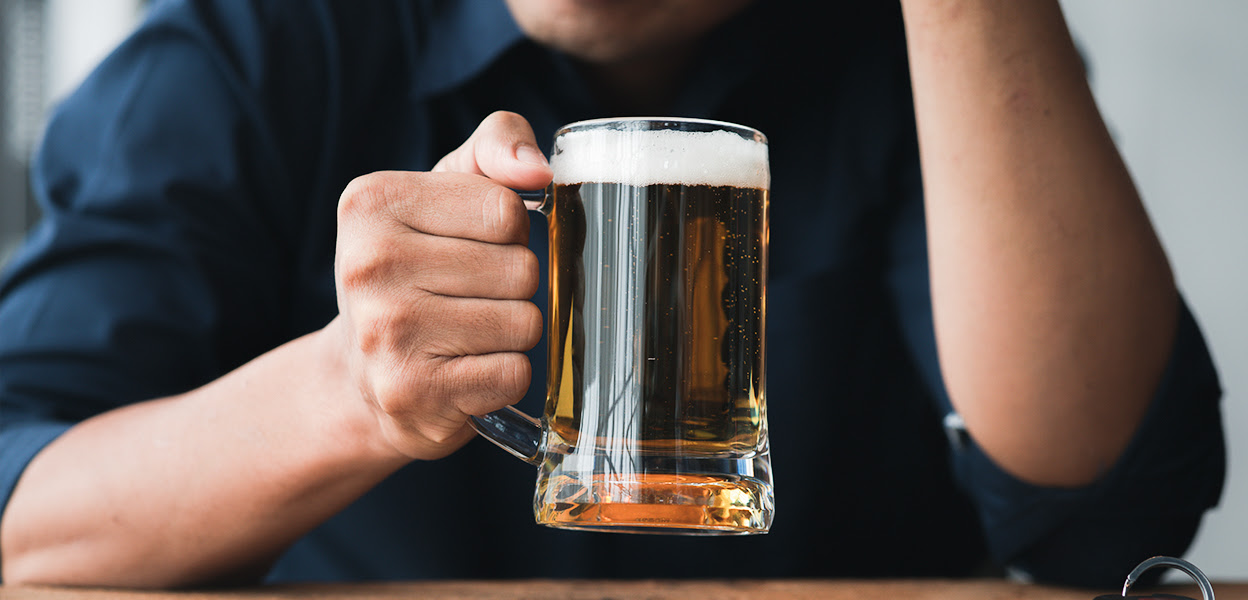
In extreme cases, even the attempt to quit can be dangerous. Sudden, severe alcohol withdrawal can even be fatal.
So, what can you do? Are you just locked in?
Avenues for Professional Help
Fortunately, many resources are available to help, both with the substance use and with anxiety.
Call a Crisis Line if Necessary
First of all, if you’re in a crisis and you don’t know what to do, call 988. The Michigan Crisis and Access Line is a 24/7, confidential tool available to everyone for free.
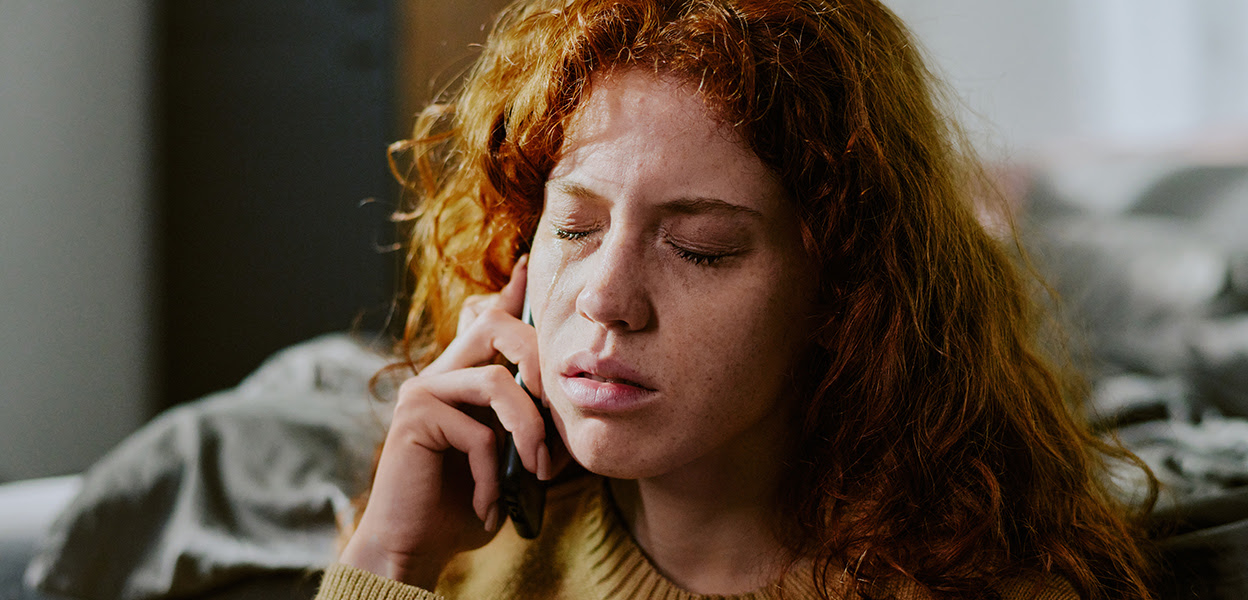
Trained operators can help you through your immediate needs and find ways to connect you with longer-term support and resources available locally to you. There’s no reason to suffer on your own; you deserve help, and 988 can help you access it.
Recognize the Need for Assistance
They say that the first step to seeking help is admitting that you have a problem. That can be hard to do! Of course, the simple fact that you’re here reading this resource is a good first step.
Think about the symptoms you experience.
- Are you often restless, tense, or on edge?
- Do you have a sense of impending doom?
- Do you feel panicked or afraid?
- Do you feel like you’re on the verge of losing control, and you struggle to hold it together?
- Do certain situations, social gatherings, or other occasions fill you with dread?
- Do you have panic attacks?
- Do you feel like you would feel better with a drink?
- Do you struggle to get through the day without a drink?
- Do you feel like you need to hide how much you drink and fear being discovered?
- Do you have a hard time stopping drinking once you’ve started?
- Do you fail to fulfill work or social obligations because of drinking?
- Do you drink in situations where you know it isn’t safe to do so?
All of these are signs of either anxiety, alcohol use disorder, or both. You don’t need to experience all of them; even just one or two is enough of a sign that you should consider talking to a professional.
Remember, too, that there’s no harm and no judgment in talking to a mental health or substance use professional. They can help you identify if you have a problem, and if so, what you should consider doing about it.
Seek a Dual Diagnosis
Dual diagnosis is the formal term for anyone who is diagnosed with both a mental health disorder (such as anxiety, PTSD, or depression) and a substance use disorder, either for alcohol, drugs, or both.
Seeking dual diagnosis can feel like a stigma, but it’s actually a benefit. If you have an official anxiety diagnosis but nothing about substance use, you may seek treatment from professionals who aren’t equipped to work with someone using substances to cope. Conversely, if you’re seeking treatment for substance use, without addressing the anxiety you feel, you’ll struggle to cope.
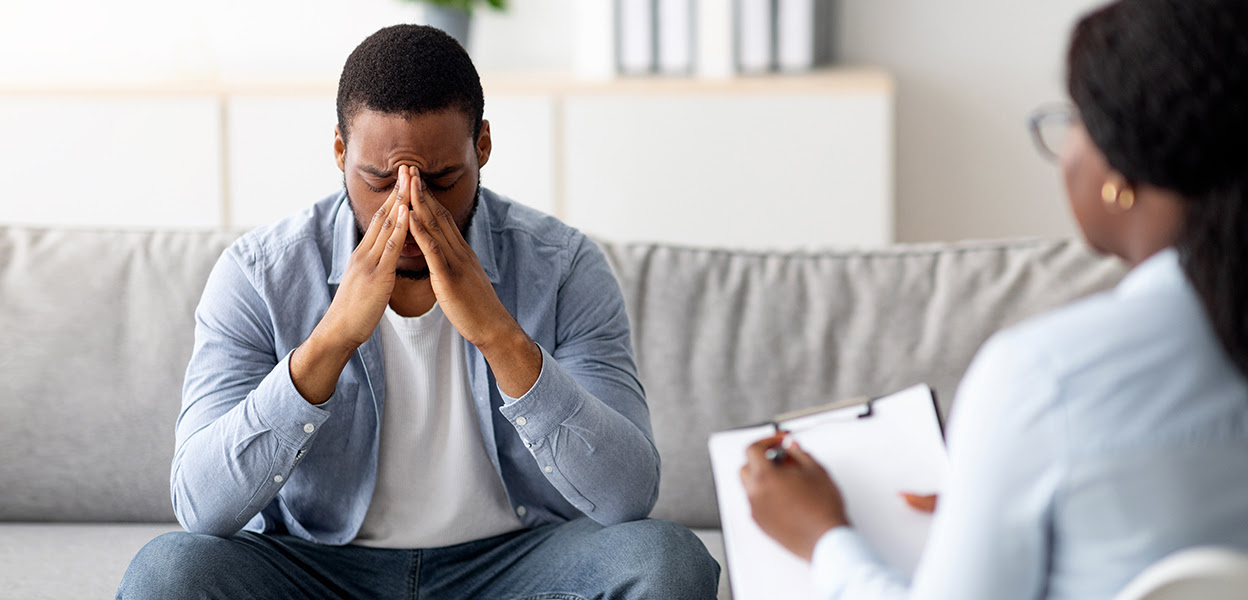
Seeking dual diagnosis helps open up avenues to more specialized treatment that can encompass all of what you have to handle, and not just one or another aspect of your illness.
Pursue Safe Treatment for Alcohol Use
There are many different kinds of treatment for alcohol use disorder. They can range from peer support groups like AA to fully inpatient detox and recovery facilities. Intensive outpatient programs fall somewhere in the middle.

Finding the avenue that’s right for you can be a matter of recognizing how bad things are and identifying the appropriate course of action. Additionally, a dual diagnosis with anxiety helps you find treatment that can also handle anxiety, and arm you with coping strategies that aren’t alcohol.
Work With a Professional for Anxiety Treatment
Seeking professional assistance for anxiety is common, with or without additional disorders like alcohol use on top. Here at BMC-Troy, our practitioners can help with your anxiety and with managing any medications you need alongside therapy and other treatment. While we aren’t an inpatient facility, our therapists know how to work with people with anxiety, substance use, depression, and a range of other mental health challenges.

Get started by filling out our new patient intake form directly on the web. If you have question, call our office. We’ll be in touch to schedule an appointment within one to two business days!