
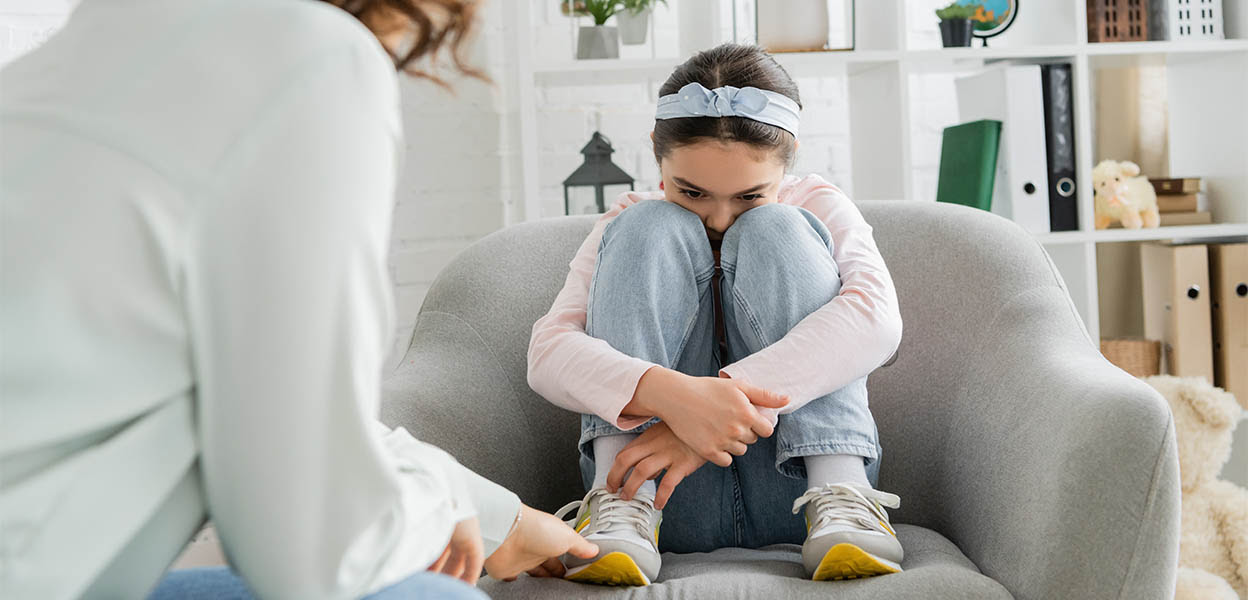
The world is a scary place for all of us, but children can be especially vulnerable. From world events to active shooter drills at school to the hyperpartisan and overly contentious social environment, it’s easier than ever for children to fall into anxiety, often without even recognizing what’s happening or why they feel the way they do.
To some extent, anxiety can be natural. Nervousness about upcoming events and responsibilities, uncertainty about a new grade or class or school year, butterflies over a crush; these are normal.
When anxiety becomes a problem, when it stops your child from being able to socialize with their peers, prevents them from doing well in school, or keeps them from enjoying activities, it may be time to seek help.
And make no mistake; childhood anxiety is on the rise. Pediatric anxiety hovered around less than 10% of the pediatric population in 2007, but is over 20% today. It’s not confirmation bias; it’s a growing problem, and one that benefits from early action.
How do you know when it’s time to look for assistance, and where can you get that assistance in the Detroit area?
DISCLAIMER: This article is for informational and educational purposes only and should not be considered medical or psychological advice. The information presented here is not intended to diagnose, treat, cure, or prevent any mental health condition or replace professional therapeutic care. Every individual’s experience with trauma and mental health is unique. Please consult with a qualified mental health professional, therapist, or healthcare provider to determine the most appropriate treatment approach for your specific situation. If you are experiencing a mental health crisis or emergency, please contact your local emergency services or crisis hotline immediately.
How to Tell if Your Child Has Anxiety
Like we said, some amount of nervousness and anxiety is a normal part of growing up. Uncertainty, nerves, and fear are natural reactions to unknown situations, and as a child, there are a lot of unknown situations.
Anxiety at a clinical level can range from fairly minor but still impactful, all the way to severe and debilitating. But, as children might not have the vocabulary to recognize and describe what they’re feeling, it falls to you as a parent to try to recognize what’s going on.
Keep an eye on your child.
Watch what your child does, how they act, and what they say. Are they avoiding food? Are they unable to sleep? Younger children can recognize certain feelings, but not the causes of them, so they might say things like:
- “I don’t want to go to school.”
- “My tummy hurts.”
- “I can’t sleep.”
- “I’m not hungry.”
- “I’m scared.”
These kinds of statements can be linked to anxiety, but they can also reflect physical illness, like a cold or flu. If your child is saying these kinds of things, it can be helpful to track when and where, and look for patterns.
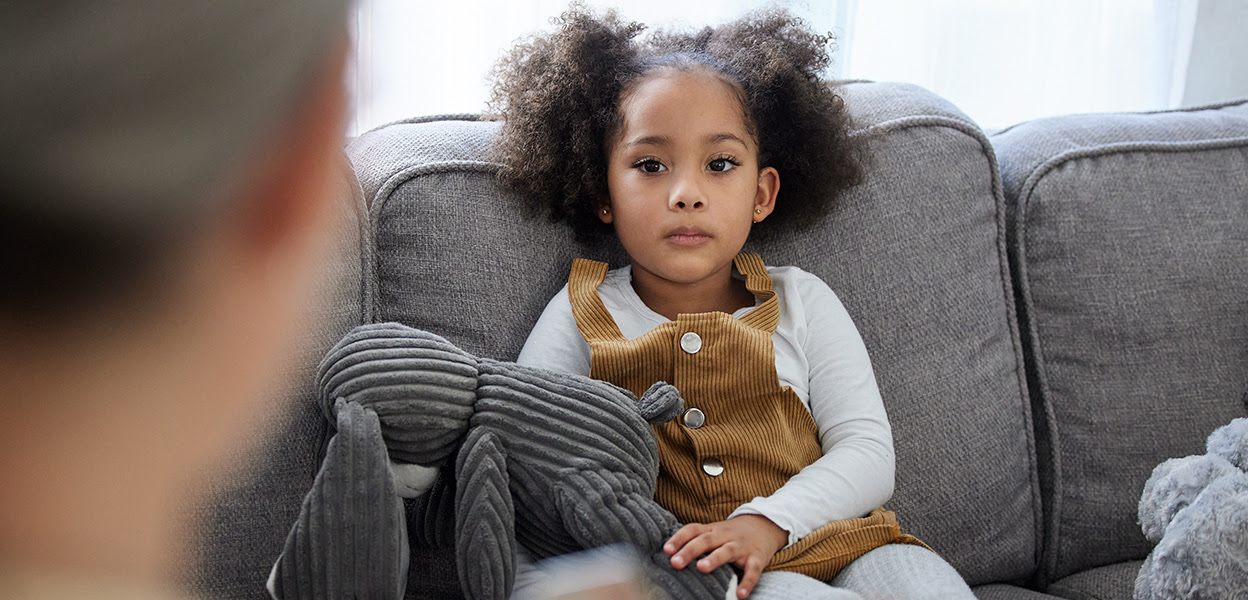
At the same time, the easiest way to get to the root of the problem is just to talk to your child about what they’re feeling and what is making them feel that way. Acknowledge that their feelings are valid, and explore what is making them feel that way.
Is it a test they’re worried about? Sure, that’s natural. Is it something less specific, just how the concept of school makes them feel from a hundred different angles? That may be more of a sign of anxiety.
Note: It can also be worth thinking about your own behavior. Children are sensitive and can often tell if something is wrong on your end, and children with anxiety are not unlikely to have parents with anxiety as well. If you’ve been nervous or anxious recently, your child may pick up on it and reflect the same feelings.
Older children, like pre-teens and teens, are more likely to have a broader understanding of both themselves and the world, and may be more able to recognize the sources of their feelings. On the other hand, they may not be as willing to talk about it, and may be better at hiding their behaviors. Still, you may be able to recognize symptoms, like excessive worrying, irritability beyond what’s normal for a teenager, insomnia, self-criticism, panic attacks, and more.
This age is also when certain forms of anxiety come into stark focus. Social anxiety, particularly surrounding relationships, comes to the forefront. So, too, can bodily anxiety, gender dysmorphia or dysphoria, and anxiety that stems from comparisons to other rapidly changing peers.
This is also an age where children may explore substance use to calm these feelings, often starting with marijuana or alcohol.
Understand the common types of childhood anxiety.
The DSM lists 11 distinct anxiety disorders, but a handful of them tend to be most common in children and young adults, so being familiar with them can help you identify when one of them might be the cause of your child’s feelings and behavior.
Generalized Anxiety Disorder. Pervasive worry, anxiety feelings, and hesitance across all of life. Kids with generalized anxiety are worried about anything and everything, and often feel physiological symptoms like stomach aches, insomnia, and fatigue.
Separation Anxiety Disorder. Separation anxiety is most common in younger children. It’s characterized by an intense and specific fear of being separated from their caregiver. They’ll be reluctant to be apart, with the pervasive fear that something awful will happen and they’ll be abandoned.
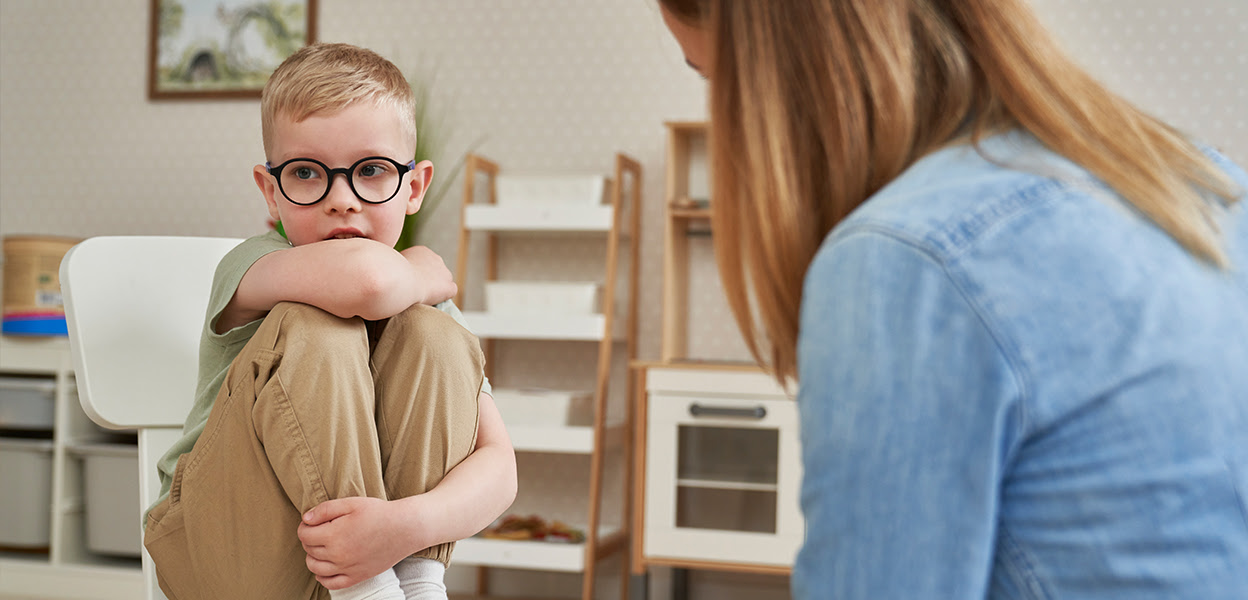
Social Anxiety Disorder. More common in teens, this is a characteristic fear of social situations where they may be embarrassed, judged, or otherwise looked down on by their peers or adults around them. They may have a difficult time making friends, and can experience physiological symptoms in social situations, like nervous shakes, sweating, nausea, and fear responses.
Panic Disorder. Another more common condition in teens, panic disorder, is characterized by recurrent panic attacks and a consistent concern about having more. Panic attacks may or may not have any obvious trigger, and tend to be extreme.
Children can also be more prone to a disorder called selective mutism, where the anxious child will be talkative or verbose in comfortable situations, but freeze up and go silent in unusual or uncomfortable situations. Childhood is also when specific phobias, everything from needles to dogs to insects to bodily fluids, can begin to manifest.
Seeing the signs of these disorders can be an indication that it’s time to take action, to arm your child with the coping mechanisms necessary to grow beyond the limitations imposed by anxiety on their lives.
How to Find Help for Childhood Anxiety in Detroit
The good news is that childhood anxiety is being increasingly recognized, and more and more support networks, resources, and programs are being created to help. You’re not alone in your struggles, nor is your child, and you can find help right here in Detroit.
Crisis Support
If your child is experiencing a crisis like a panic attack or an anxiety spiral, and you don’t know what to do, call a crisis line.
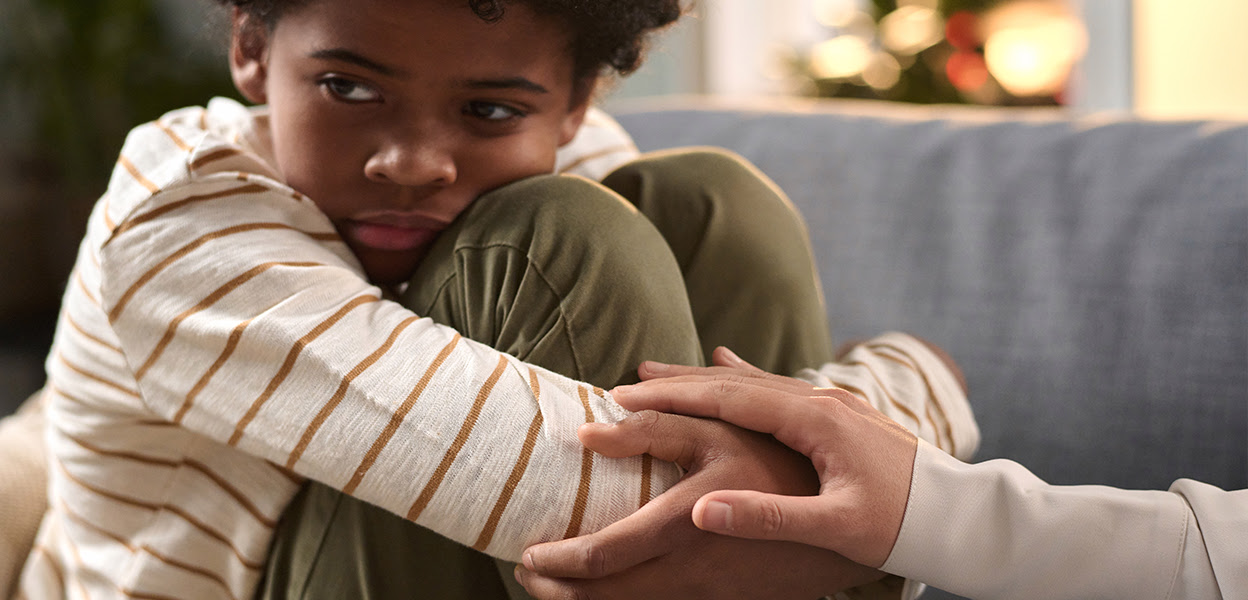
There are several options, and all of them can help you and your child through an immediate crisis, as well as give you avenues and resources for further assistance.
- 988. Calling or texting 988 helps you reach the suicide and crisis lifeline, a national program for mental health crisis assistance. In Detroit, you’ll connect with the Michigan Crisis and Access Line, our local wing of the national 988 organization. You can also use a web-based chat to talk to them.
- 741741. This is the Crisis Text Line; by sending a text message saying HOME (or HOLA for Spanish assistance), you can hold a text conversation for support in a crisis. They also offer a web-based chat and a WhatsApp option if those work better for you.
- SAMHSA. The Substance Abuse and Mental Health Services Administration provides a 24-hour help line. You can text it at 435748 or call directly at 1-800-662-4357.
- NAMI. The National Alliance on Mental Illness provides a help line for mental health problems. You can text it at 62640 or call directly at 1-800-950-6264.
Those are national-level organizations; if you want a more local organization that is familiar with your specific area, and can potentially send a mobile unit to come to you, the counties that make up Detroit have their own crisis lines.
- Detroit Wayne Integrated Health Network. Detroit’s premier support network for mental health disorders, you can reach DWIHN 25/7 at 1-800-241-4949. They also have many resources on their website for less immediate needs, including a provider director to help you seek care.
- Oakland Community Health Network. Oakland’s health network doesn’t have its own crisis line (they refer you to 988), but you can call their general number or browse their site for less crisis-oriented needs.
- Macomb County Community Mental Health. MCCMH also offers a crisis line, which you can reach at 586-307-9100, 24/7. Their website also lists many other resources and how to seek the help you need.
Though the general intent of a crisis line is to help when there’s an immediate need and a risk of potential harm, it’s also available when you just don’t know what else to do or where else to call. These help lines are generally capable of handing you off to other resources if there’s not an immediate crisis, and can guide you to the help you and your child need.
Detroit-Area Childhood Anxiety Support
Any of the local organizations above can help you get started on the path to seeking treatment for a child with anxiety.
The good news is, there’s no shortage of providers in Detroit who offer mental healthcare for children. Psychology Today’s provider search lists over 180 therapists in the Detroit area who offer services for children with anxiety, and they aren’t a fully comprehensive list. You can also find resources through Henry Ford, and it’s even possible that your child’s school system has connections with school-recommended or integrated therapists that can help. Regional resources such as Common Ground are also available.
Fortunately, childhood anxiety is treatable. Most children see improvements with one or two particular modes of treatment.
The first is Cognitive Behavioral Therapy, or CBT. CBT is a time-tested and proven form of talk therapy that helps individuals with anxiety and depression, and can also assist with other mental health disorders, including PTSD, substance use, eating disorders, and more.
CBT focuses on identifying problematic ways of thinking and the behaviors and patterns that cause the problems. It helps individuals with anxiety disorders to identify and be mindful of these patterns, and arms them with ways to set those thoughts and behaviors aside, replacing them with better thoughts and behaviors.
Children are frequently receptive to CBT techniques, with around 60% of children improving over the course of a set of sessions, often ranging between 10 and 20 sessions at a 1-3 per week schedule.

Part of CBT is an initial assessment. This will evaluate your child to determine what kinds of anxiety they experience, and if they are also experiencing other forms of mental health disorders, such as depression or PTSD. After that, your provider can work with you to develop the right treatment plan for them. If necessary, they can also connect you with resources for your own treatment, for family therapy, and even for financial assistance.
Some children aren’t receptive to CBT alone, which is where the second treatment comes into play: medication. Low doses of certain anti-anxiety medications can serve as an excellent temporary measure to help break the cycles of anxiety thought spirals, further allowing CBT techniques to take root.
Many parents are hesitant to get their children medication, assuming it’s a lifelong burden. Truthfully, most of the time, the medication is used to help get past the initial hurdles, and is tapered off to an as-needed treatment or even set aside entirely as positive coping mechanisms are developed.
In cases where there are additional factors at play, from depression to substance use to traumatic experiences and complex disorders, more specialized or longer-term therapy and treatment may be necessary. Fortunately, any good provider will work with you to determine the proper course of action.
Seeking Help in Troy, Michigan
If your child is suffering from anxiety and needs assistance, we’re pleased to put ourselves on the list to help. Based out of Troy, our providers offer a wide range of psychotherapy treatments, including CBT, EMDR for PTSD, DBT, and other therapies. We also have prescribers available to assist with medication management as needed, while we work with you and your child to address their anxiety.
To get started, please fill out a new patient information form directly on our website in preparation for treatment, and we’ll reach out when we’ve processed it. If you have any questions, call us at 248.528.9000.
Your child deserves help, and we’re happy to provide it. Just let us know!