

Mental health doesn’t wait for life to be convenient. A crisis can happen at any time and for any reason. That doesn’t mean you should let business hours keep you from seeking help.
As a mental health facility in Troy, we’re keenly aware that people local to us have needs that we aren’t always able to provide. While we have an after-hours phone number, it’s not for care or crisis; it’s more for urgent administrative issues.
Fortunately, you’re not left without options for after-hours crisis care in Troy. We’ve put together this guide to help make sure you can get the assistance you need, no matter when it is.
DISCLAIMER: This article is for informational and educational purposes only and should not be considered medical or psychological advice. The information presented here is not intended to diagnose, treat, cure, or prevent any mental health condition or replace professional therapeutic care. Every individual's experience with trauma and mental health is unique. Please consult with a qualified mental health professional, therapist, or healthcare provider to determine the most appropriate treatment approach for your specific situation. If you are experiencing a mental health crisis or emergency, please contact your local emergency services or crisis hotline immediately.
The Number One Crisis Resource: 988
When you have a health emergency, you call 911. But 911 isn’t usually equipped to handle mental health. It’s more about identifying the proper set of emergency services (police, ambulance, fire) and dispatching them to your location.
The convenience of a simple three-digit number to call for an emergency, that works everywhere, was recognized as something mental health also warranted. That’s why 988 was created.
988 is like 911 for mental health. It’s a simple free phone call that connects you immediately to a trained crisis counselor, who can help with immediate problems, dispatch a mobile crisis unit, and/or guide you to more appropriate resources to help you with your needs.
If you’re in a situation where you can’t or don’t want to make a phone call, you can also reach out to the 988 crisis lifeline by sending a text message to 988 or through their online chat system found here.
The 988 lifeline is national, but regional call centers ensure that you’re directed to people who know the area. In our case, 988 directs you to MiCAL, the Michigan Crisis and Access Line. You can learn more about them from their website here.
When in doubt, when in crisis, or when all else fails, call 988. They can help.
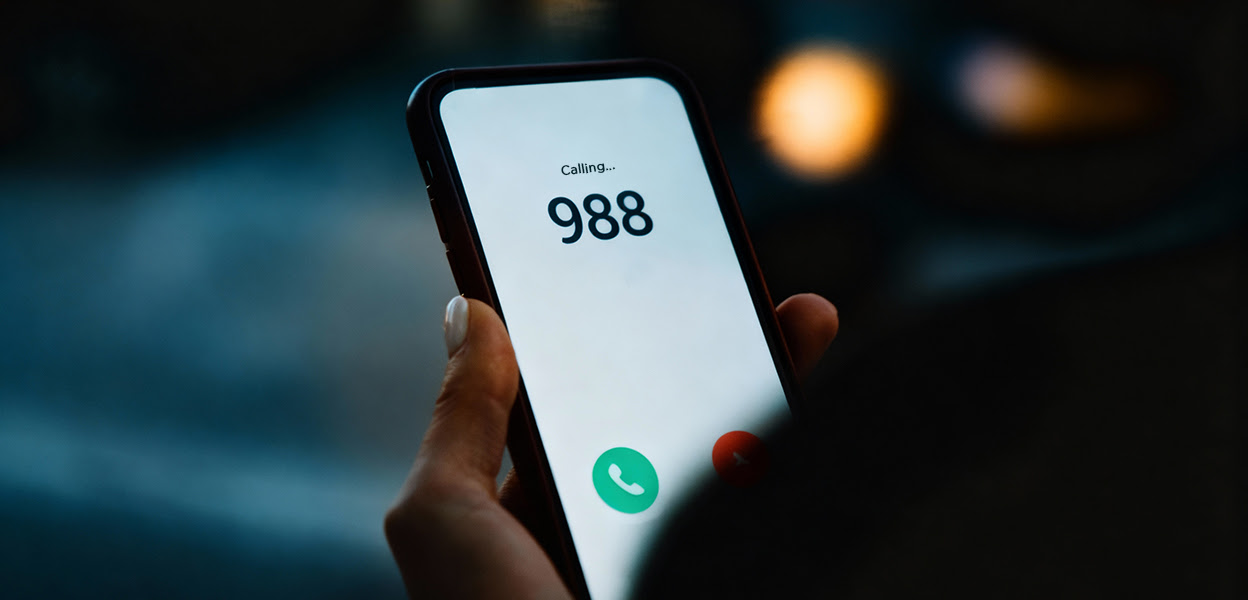
What does 988 offer?
First of all, they’re immediately available and can talk you through a crisis you’re currently experiencing. That’s true whether you’re in a panic spiral, suffering from depression, have a lot of anxiety, or just can’t get the worries out of your head.
If that’s all you need? Great! They’ve done what you need, and you can move on. If you need more, though, there’s always more available.
One of the biggest services provided by a call to 988 is coordination of care. They can talk with you to identify what kind of care you need (and where in Michigan you are), and can identify the nearest service provider that can take the next step with you. That can mean guiding you to a nearby facility like one of the ones on the list below, or it might mean contacting a mobile crisis team to come visit you directly.
Another key part of this coordination of care is a warm hand-off. They’ll stay on the line with you right up until you’re connected with a relevant service provider. If they call a crisis care squad to meet you, they’ll stay on the line until they arrive. If they’re guiding you to a facility, they’ll be with you until you arrive and are checked in.
Speaking of checking in, they can also coordinate with those services directly, up to and including helping with preadmission screening and paperwork before you arrive, so you don’t have that additional barrier to care along the way.
The goal is to get you the help you need, and they’ll go to great lengths to do that for you.
Common Questions about 988
Since there’s a lot of muddy information about the crisis line out there, and people tend to have a lot of questions, we wanted to answer some here.
When is a crisis a crisis? When should you call 988? 988 is available when you need to talk to someone, when you’re feeling overwhelmed, when you’re struggling, or when you’re experiencing emotional distress. You don’t need to wait for things to get really bad, and you don’t need to worry about “taking away” from people who “need it more”; there’s enough support to go around. You can also call 988 on behalf of someone else, and they can help you through what steps you can take to help.
If I call 988, will they call 911? Most of the time, the answer is no. While 988 is empowered to contact 911 in the case of an emergency, such as if you’ve overdosed or self-harmed, or if anyone is in danger, the majority of the time, they have no need to do so. Less than 1% of 988 calls in Michigan end up activating 911 as well.

What information do I need to talk to 988? All you need to get help from 988 is the ability to reach out. You don’t even need to give them your name, and while they may ask for your phone number, it’s solely to follow up after the fact and make sure you’re able to get the resources you need. It’s completely confidential and, if you want it to be, entirely anonymous.
How much does a call to 988 cost? Fears of medical expenses are all too common a barrier for seeking care in this country. Fortunately, a call to 988 is completely free; MiCAL is free for all Michiganders.
Additional Venues for After-Hours Crisis Care
Realistically, if you’re in a crisis, you should call 988. They are much better equipped than a blog post to provide you with fast, accurate, and effective support, and can connect you to the most relevant nearby support to help you with your specific needs.
The kinds of local mental health support services and crisis centers they might connect you to can vary, so we’ll cover some of them here. You can also call these facilities yourself, but hours change, services vary, and it’s still probably most effective to call 988 first.

If you’re in Troy and you’re looking into places you can visit if you’re in a crisis after hours, you might be coming up short. You’re also probably used to it. After all, despite being one of the largest communities in the county, a lot of the services we use are technically in one of the surrounding communities, like Pontiac, Sterling Heights, or Rochester Hills.
As such, there are actually only a few potential after-hours options for crisis care in Troy itself, so you might have to go another couple of miles to visit a relevant facility.
Oakland Community Health Network Crisis Services (Common Ground)
The Oakland County Community Health Network, OCHN, offers crisis services both in general and with a special youth-focused mobile crisis team. Right now, they are transitioning to in-house crisis services, which are located in the OCHN Resource and Crisis Center. That crisis center can be found at: 1200 N. Telegraph Road, Building 32E, Pontiac, MI, 48341
While this isn’t in Troy itself, it’s quite close by. For those familiar, this is the same location as the Common Ground Resource & Crisis Center.
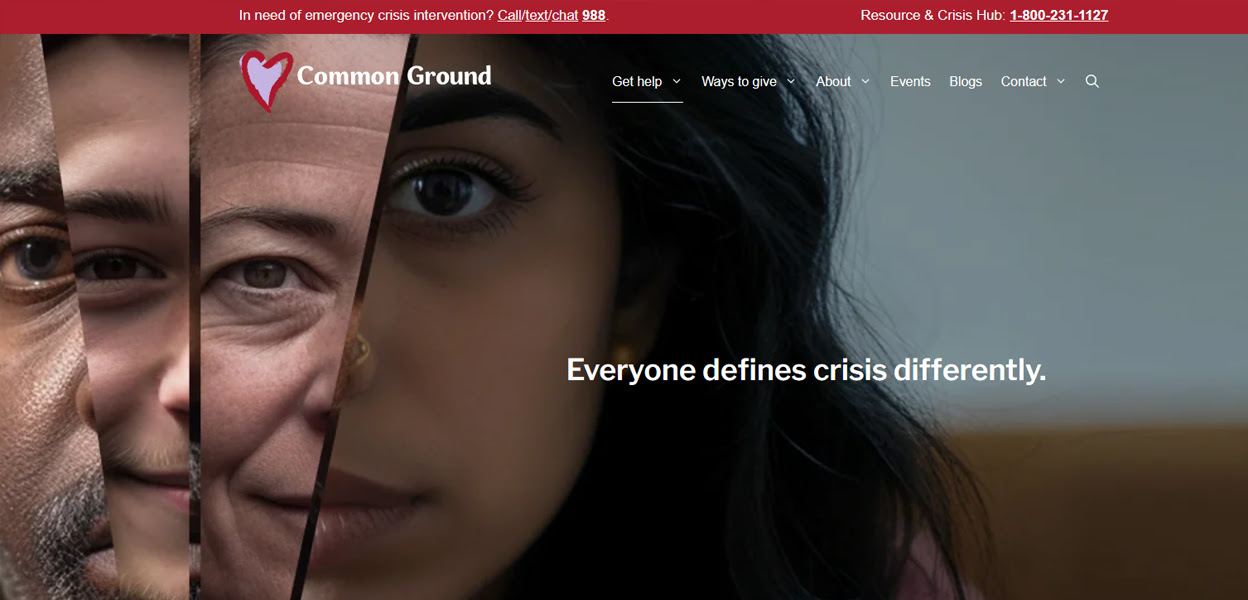
Common Ground also offers a mobile crisis unit. That unit can be reached by calling 1-800-231-1127 and is available to anyone in Oakland or Genesee Counties. That same number can connect you to other local crisis centers or resources as necessary, as well.
Henry Ford Health
Henry Ford is an easily recognizable name here in SE Michigan, given how much of the local medical systems they own. In our Troy area, there’s a branch of Henry Ford, the Henry Ford Behavioral Health Center in Troy. It’s located just off of I-75 on Livernois Rd.
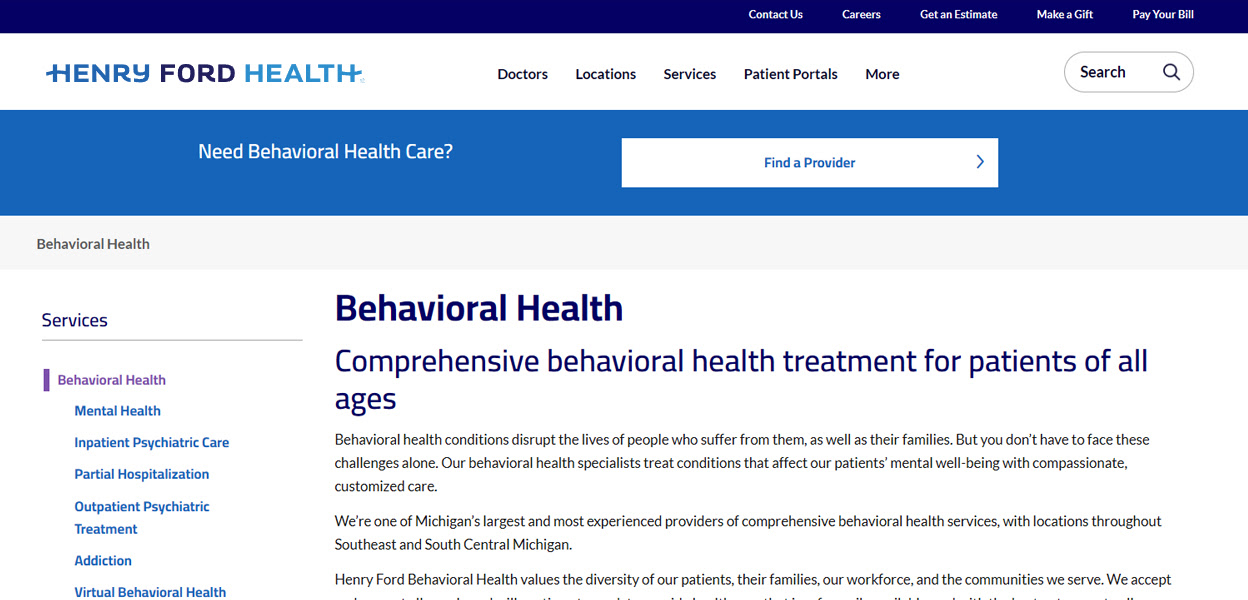
While the facility as a whole has operating hours, specific departments may be staffed after-hours, and crisis care may be available. They have a range of behavioral health services, and if they aren’t immediately able to help you, they can connect you with people who can.
Behavioral Center of Michigan
Not to be confused with us (the Behavioral Medical Center in Troy), the Behavioral Center of Michigan is a 24-7 behavioral health facility located a bit south of Troy, down near Center Line in Warren. Their address is 4050 12 Mile Road.

As you can see, we’re already getting outside the borders of Troy. If you’re willing to go down to Metro Detroit, you can certainly find more available options, but the trip is a tall order in a crisis. For times like this, calling 988 and requesting a mobile crisis team might be the better option.
Haven
Haven Oakland is the local branch of a nationally-recognized nonprofit with 50 years of history in promoting violence-free homes. They specialize in domestic violence, sexual abuse, and similar aspects of behavioral health. While their crisis line might not be appropriate for everyone, they can, again, refer you to a more appropriate venue if necessary.
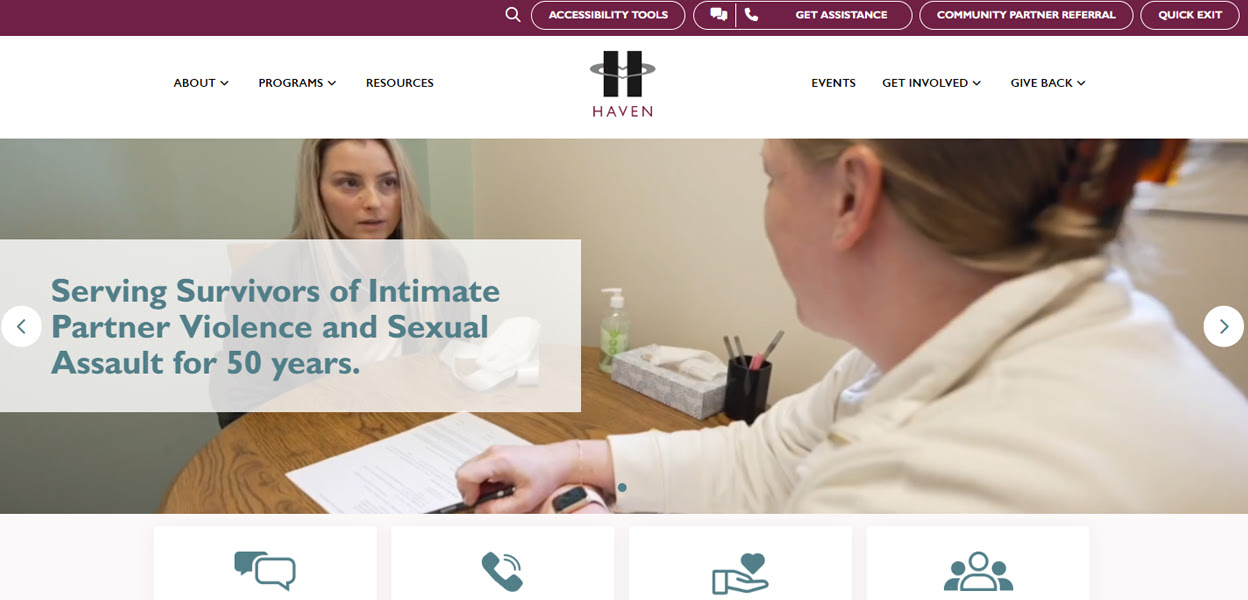
Haven can be reached 24 hours a day by calling 248-334-1274 or by calling the toll-free crisis line at 877-922-1274. Their physical location is at 801 Vanguard Drive in Pontiac.
Other Options
There are a few other facilities around that offer around-the-clock assistance, though they may not fit the definition of “crisis” care, or may be more specific about what they offer.
One good example is down in Southfield, the MGA Crisis Intervention Center. This is an excellent facility for its purpose, but that purpose is narrow: substance use. They are a facility that can help with substance use, addiction treatment, and relapse crises. Beyond that, they don’t offer much for a behavioral health crisis.
There’s also the Tri-County Behavioral Health Services facility. This organization offers crisis care, but it’s not quite as close to Troy as some of the other options are.
Visiting the Emergency Room
When you think of the ER, you think of broken arms and severe illness. But most hospitals with emergency rooms are also equipped with psychiatrists, or at least NPs who have psychiatric training, and who can help you through your immediate crisis.
While the emergency room is likely not the best first choice, it’s an option that is always available. If nowhere else seems to be open after-hours or on a holiday, the emergency room is always going to be available.

We have a full article on what the emergency room can do for you, how to get the most out of your visit, and what you might want to keep in mind before you go. You can read that article here.
When there are no other options you can think of, an emergency room is better than nothing. Care is care, regardless of where it comes from.
When the Crisis has Passed
After a crisis, or when the new day dawns and business hours open back up, your options open up as well. Here in Troy, that means our office opens, and you can reach out to us for follow-up care.
As we mentioned up top, we’re not a crisis center. We do, however, provide a range of services, including medication management, counseling, talk therapy, EMDR, and more.
We want to help you, and that means we’re often one of the offices you can contact to follow up after a crisis. Whether it’s continuing therapy and support, counseling, or just connecting to resources to help you address what’s bothering you, we can help.

To contact us at BMC-Troy, you can call us at 248-528-9000, or you can visit our office at 1639 E. Big Beaver Rd, Suite 201, in Troy, MI 48083.
If you want to get a head start on your visit, you can also fill out our new patient intake form directly from our website here.
While our front office hours are only from 9-5 on weekdays, we do everything we can to provide as much service as we can during those hours. After hours, if you need assistance, once again, the best option is to call 988; they can connect you with whoever can help at the time and place you need it.